
How Integrity Monitoring Prevents Fraud, Waste, and Costly Losses in Capital Construction Projects
Wed 02/04/2026 - 16:50
How Integrity Monitoring Prevents Fraud, Waste, and Costly Losses in Capital Construction Projects
Why Integrity Monitoring is Instrumental in Capital Construction Projects Across All Industry Sectors
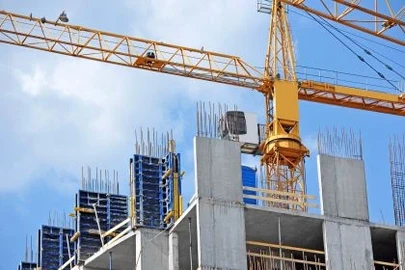
Capital construction projects represent substantial investments that drive economic growth, new developments, and organizational capacity across every industry sector. Whether building infrastructure, developing real estate, or delivering public‑sector programs, owners invest millions, or billions, of dollars into complex systems of contracts, schedules, and financial flows. Yet these projects consistently face a paradox: while technical complexity receives significant attention and resources, the greatest (and most predictable) threats to project value are frequently far more routine: weak governance, inadequate oversight, and poor transparency.
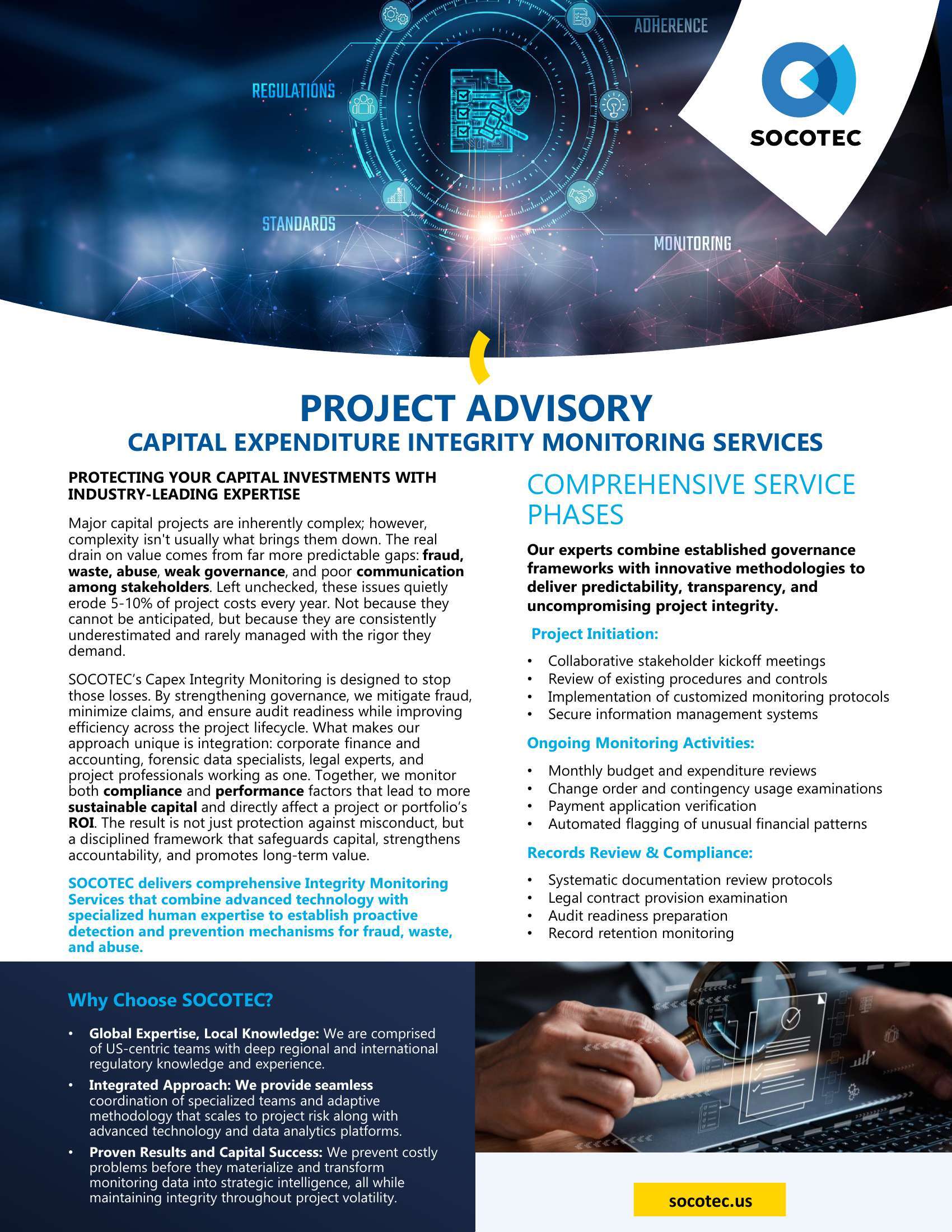
Research consistently demonstrates that these preventable issues drain 5–10% of project costs annually, not because they cannot be anticipated, but because they are systematically underestimated and rarely managed with appropriate rigor. For a $500 million infrastructure project, this represents $25–50 million in potential losses that could have been prevented through disciplined oversight.
Integrity Monitoring addresses these risks directly. It is a proactive framework designed to safeguard capital investments by continuously evaluating how money is spent, how decisions are made, and how performance aligns with contractual and regulatory expectations.



Project Controls & Compliance Issues
Where Capital Projects Lose Value

Project losses rarely result from a single catastrophic event. More often, they stem from a series of small breakdowns that go unnoticed until they accumulate into major exposure:
- Invoices approved without adequate verification
- Change orders bypassing structured review
- Documentation that does not support payment requests
- Procurement practices lacking transparency
- Misalignment between physical progress and financial reporting
Left unaddressed, these issues create conditions where fraud, waste, and abuse can thrive. Integrity Monitoring exists to detect and prevent these failures before they undermine project outcomes.
Project losses rarely result from a single catastrophic event. More often, they stem from a series of small breakdowns that go unnoticed until they accumulate into major exposure:
- Invoices approved without adequate verification
- Change orders bypassing structured review
- Documentation that does not support payment requests
- Procurement practices lacking transparency
- Misalignment between physical progress and financial reporting
Left unaddressed, these issues create conditions where fraud, waste, and abuse can thrive. Integrity Monitoring exists to detect and prevent these failures before they undermine project outcomes.
The Hidden Cost of Inadequate Oversight
The consequences of insufficient integrity monitoring extend far beyond immediate financial losses. Projects without robust oversight mechanisms experience:
- Delayed timelines due to undetected inefficiencies and rework requirements
- Budget overruns from inadequately controlled change orders and cost variations
- Compliance failures that trigger regulatory penalties and project suspensions
- Reputational damage that undermines stakeholder confidence and future funding opportunities
- Legal disputes requiring expensive litigation and settlement costs
- Audit findings that necessitate costly remediation and create ongoing scrutiny
- Exposure to fraud, waste, and abuse that can silently erode project value long before issues become visible
Large construction programs present inherent integrity risks, including inflated change orders, duplicate or unsupported billings, conflicts of interest in procurement, material substitution, overstatement of installed quantities, and collusive vendor practices. Without independent monitoring, these risks often surface only after funds have been expended, when recovery becomes difficult and disputes escalate.
These impacts compound throughout the project lifecycle, transforming what should be strategic investments into financial liabilities that strain organizational resources and credibility.
What Integrity Monitoring Actually Means
Effective integrity monitoring provides comprehensive protection across multiple dimensions:
Industry Applications Across All Sectors
While integrity monitoring originated primarily in large public infrastructure projects, its principles apply across every industry sector undertaking significant capital construction:
- Public Infrastructure: Transportation systems, utilities, government facilities, and community projects requiring federal compliance and taxpayer accountability.
- Healthcare: Hospital expansions, medical facility construction, and campus development projects where operational continuity and regulatory compliance are critical.
- Education: University campus projects, K-12 facility construction, and research facility development requiring donor confidence and public funding accountability.
- Commercial Real Estate: Corporate headquarters, mixed-use developments, and large-scale residential projects where investor protection and financial transparency drive oversight requirements.
- Industrial & Manufacturing: Plant construction, facility expansions, and process infrastructure where operational efficiency and safety compliance intersect with capital protection.
- Energy: Power generation facilities, transmission infrastructure, and oil & gas operations requiring complex regulatory navigation and environmental compliance.
The Strategic Integration Advantage
What distinguishes truly effective integrity monitoring from basic auditing is integration? Rather than isolated compliance checking, comprehensive monitoring integrates corporate finance expertise, forensic accounting capabilities, legal knowledge, data analytics, and construction domain expertise into unified oversight.
This integration enables monitoring teams to:
Understand both financial irregularities and their operational context
Recognize patterns that isolated specialists might miss
Provide actionable recommendations that consider project realities
Navigate complex regulatory requirements while maintaining project momentum
Communicate effectively with diverse stakeholder groups from field personnel to executive leadership
Culture of Transparency and Accountability
Building a Culture of Transparency and Accountability

Beyond preventing specific instances of fraud or waste, integrity monitoring establishes organizational culture transformation. When implemented from project inception, structured oversight:
Sets clear expectations for all participants regarding documentation, reporting, and accountability
Creates transparency that discourages misconduct before it occurs
Establishes feedback mechanisms that enable continuous improvement
Builds stakeholder confidence that encourages ongoing support and future investment
Develops institutional knowledge that strengthens future project execution
Beyond preventing specific instances of fraud or waste, integrity monitoring establishes organizational culture transformation. When implemented from project inception, structured oversight:
Sets clear expectations for all participants regarding documentation, reporting, and accountability
Creates transparency that discourages misconduct before it occurs
Establishes feedback mechanisms that enable continuous improvement
Builds stakeholder confidence that encourages ongoing support and future investment
Develops institutional knowledge that strengthens future project execution
The Path Forward: Making Integrity Monitoring Standard Practice
As construction projects grow increasingly complex and capital investments reach unprecedented levels, integrity monitoring must transition from optional enhancement to standard practice. Organizations that embed comprehensive oversight into their project governance frameworks position themselves to:
Protect capital investments through proactive detection and prevention
Maintain regulatory compliance in evolving oversight environments
Build stakeholder confidence through demonstrated transparency
Reduce total project costs through improved efficiency and reduced waste
Accelerate project delivery by avoiding delays from compliance issues
Establish competitive advantages in markets where integrity and accountability matter
The question facing construction project stakeholders is no longer whether integrity monitoring provides value, the question is whether organizations will implement comprehensive oversight proactively, or wait until preventable losses and compliance failures force reactive responses that are inevitably more costly and disruptive.
For projects representing substantial capital investment, across any industry sector, integrity monitoring has become instrumental to success, not as an expense to be minimized, but as an investment that protects value, strengthens accountability, and enables sustainable project delivery.
Authors : Zaid SULTAN & Heath WHITAKER
Download our capex integrity monitoring PDF
Ready to Protect Your Capital Project From Unnecessary Losses?