
Our Geotechnical Expert

Seismic Risk Assessment: How Geotechnical Engineering Protects Infrastructure from Natural Hazards
Mon 03/09/2026 - 19:35
Before a building or bridge rises and before foundations are poured, one critical question must be answered: What is happening beneath the surface?
Natural hazards don’t begin at the roofline — they start in the ground. Seismic shaking, liquefaction, slope instability, and long-term settlement are all driven by subsurface conditions that can’t be seen, but must be understood.
Geotechnical engineering plays a defining role in uncovering these hidden dynamics, particularly in seismically active regions such as California where the earth's movements pose constant threats to infrastructure.
In this Trust & Tech video, Ken Mansir, Managing Principal Engineer – Infrastructure at SOCOTEC USA in San Diego, explains how geotechnical engineering becomes especially vital when designing structures capable of withstanding nature's most powerful forces.


Seismic Risk Assessment: How Geotechnical Engineering Protects Infrastructure from Natural Hazards
Trust & Tech
Geotechnical Engineering: Your First Line Against Natural Hazards
Geotechnical engineering is one of the first and most critical phases of any project. Whether designing foundations, buildings, tunnels, or large-scale infrastructure, every structural decision begins with understanding the ground conditions.
The subsurface conditions directly influence how buildings respond to natural hazards, including:
Earthquakes and seismic activity: Ground shaking, liquefaction, and surface rupture
Landslides and slope failures: Particularly in hillside developments
Settlement and subsidence: Long-term ground movement affecting structural integrity
Flooding and erosion: Water-induced soil instability
By identifying risks early, geotechnical engineering can help clients optimize foundation systems, reduce long-term liability, and meet regulatory requirements.
As a geotechnical engineer, the intent is for us to decode and understand what can't be seen below ground. We are looking at the properties of the soil and strength, and how they may affect potential buildings and other things that are built on top of them.
Seismic Risk Analysis
Determining Seismic Hazard Potential with Geotechnical Earthquake Engineering
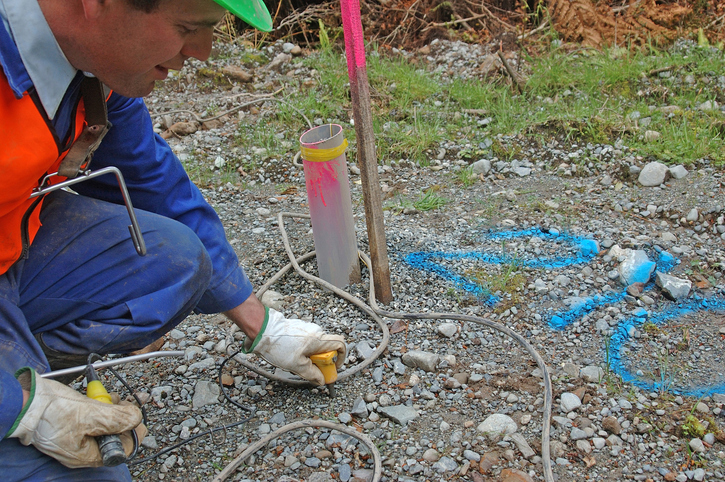
Geotechnical Studies for Seismic Risk Analysis
A comprehensive seismic risk analysis evaluates how likely a site is to experience damaging ground motion and how the soil conditions may amplify that motion.
Geotechnical studies form the backbone of seismic risk analysis, enabling engineers to:
Classify sites according to seismic design categories
Identify active fault zones and their proximity to proposed structures
Determine expected shaking intensity with ground motion analysis
Evaluate liquefaction susceptibility in saturated soils
Assess slope stability under seismic loading conditions
Determine appropriate foundation systems for seismic resistance
Geotechnical Studies for Seismic Risk Analysis
A comprehensive seismic risk analysis evaluates how likely a site is to experience damaging ground motion and how the soil conditions may amplify that motion.
Geotechnical studies form the backbone of seismic risk analysis, enabling engineers to:
Classify sites according to seismic design categories
Identify active fault zones and their proximity to proposed structures
Determine expected shaking intensity with ground motion analysis
Evaluate liquefaction susceptibility in saturated soils
Assess slope stability under seismic loading conditions
Determine appropriate foundation systems for seismic resistance
California Building Code Requirements
In the western United States—particularly California—geotechnical studies are foundational to public safety.
California sets the national benchmark for seismic safety standards, and geotechnical engineering is a code-mandated component of most projects across the state. These requirements are designed to reduce risk and provide measurable protection during seismic events.
The California Building Code (CBC), along with local ordinances, mandates geotechnical investigations for most new construction, including:
Seismic site classification based on soil properties and depth
Site-specific ground motion analyses for critical facilities
Liquefaction evaluation in zones of known susceptibility
Geological hazard assessments near known fault zones
Operating from our Californian offices (San Diego, Irvine, Long Beach, Los Angeles, Fontana, San Jose, San Francisco, and Sacramento), SOCOTEC works closely with developers, public agencies, and design teams to ensure full compliance with California code requirements while delivering practical, buildable solutions.
Collaboration Improves Outcomes: Where Geotechnical Expertise Meets Design Innovation
Geotechnical engineering does not happen in isolation. Soil is inherently variable, and successful design depends on integration across disciplines.
At SOCOTEC, our geotechnical teams work alongside:
Architects to align building configuration with site constraints
Structural engineers to define seismic design parameters
Civil engineers to address grading and drainage
Contractors to adapt to field conditions during construction
We (geotechnical engineers) are an integral part of design through the architecture, the structural engineers, the client needs, and through the construction process as we are continually finding new processes and new challenges that we must adapt to.
AI & Machine Learning
The Future: AI and Machine Learning in Geotechnical Engineering
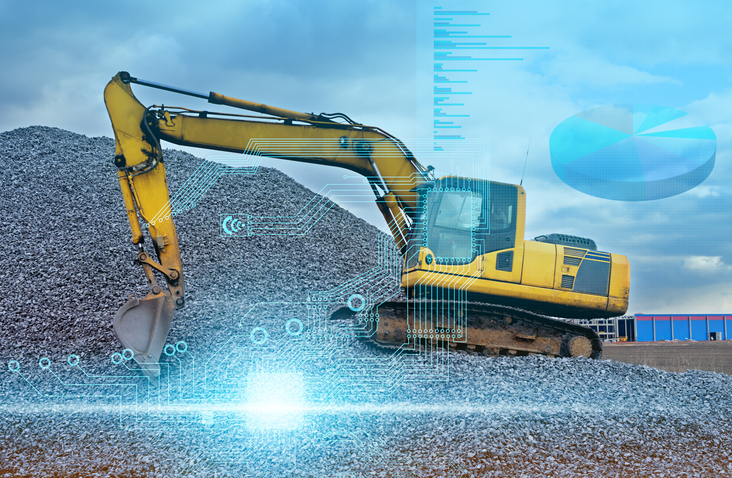
Geotechnical engineering is data-intensive. Soil borings, lab testing, seismic records, and historical geological data must all be analyzed and interpreted by experts. The next evolution of the field will integrate AI and machine learning to enhance, not replace, engineering judgment.
Artificial Intelligence can assist with:
Rapid data processing from subsurface investigations
Pattern recognition in soil behavior across multiple sites
Improved seismic hazard modeling
Predictive analysis of soil behavior
Optimization of mitigation strategies
At SOCOTEC, we're actively exploring how these technologies can improve our natural hazard monitoring and geotechnical capabilities while maintaining the human expertise that ensures safety and innovation remain paramount.
Geotechnical engineering is data-intensive. Soil borings, lab testing, seismic records, and historical geological data must all be analyzed and interpreted by experts. The next evolution of the field will integrate AI and machine learning to enhance, not replace, engineering judgment.
Artificial Intelligence can assist with:
Rapid data processing from subsurface investigations
Pattern recognition in soil behavior across multiple sites
Improved seismic hazard modeling
Predictive analysis of soil behavior
Optimization of mitigation strategies
At SOCOTEC, we're actively exploring how these technologies can improve our natural hazard monitoring and geotechnical capabilities while maintaining the human expertise that ensures safety and innovation remain paramount.
The future of geotechnical engineering will include AI and machine learning. As much of what geotechnical engineering is a heavily manual process, there's a lot of data that needs to be gone through and manipulated. So AI will work in conjunction with experts within the geotechnical engineering field for future projects.
This video is part of Trust & Tech, SOCOTEC’s video series highlighting how our experts combine technical excellence and innovation to address complex challenges across the built environment.
Want to learn more about our Geotechnical capabilities?
You may also like



Get the latest updates about SOCOTEC, subscribe to our newsletter!