
Betsy Ross Interchange Improvements, PA
AEG, a SOCOTEC Company provided structural engineering, geotechnical engineering, and construction surveying services for the $96.5 million Betsy Ross Interchange Improvements, helping support complex bridge replacement work while maintaining traffic through one of Philadelphia's busiest transportation corridors.
Key Information
Project Name: Betsy Ross Interchange Improvements (Section BR2)
Client: PennDOT District 6-0
Location: Philadelphia County, PA
Services Provided: Structural Engineering, Geotechnical Engineering, Construction-Phase Surveying

Talk to our experts

The Challenge
Modernizing a Critical Transportation Interchange
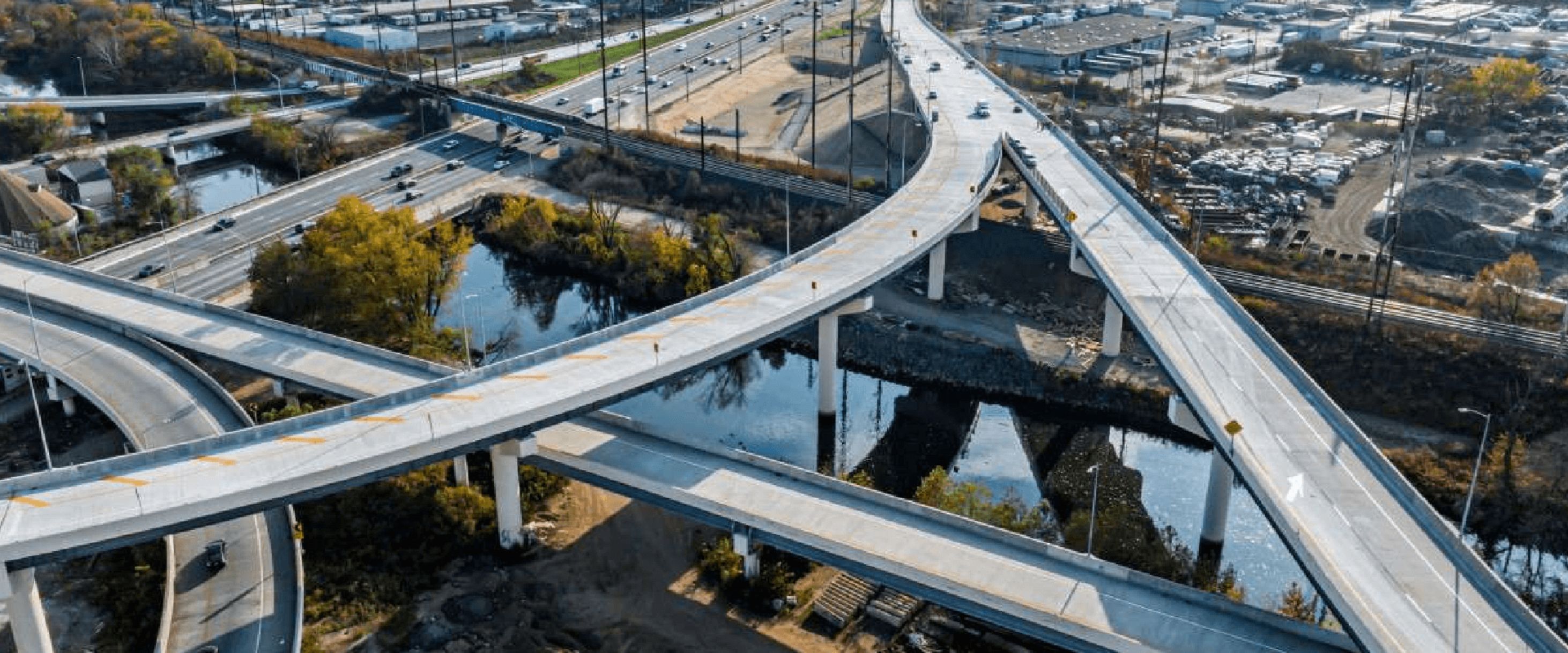
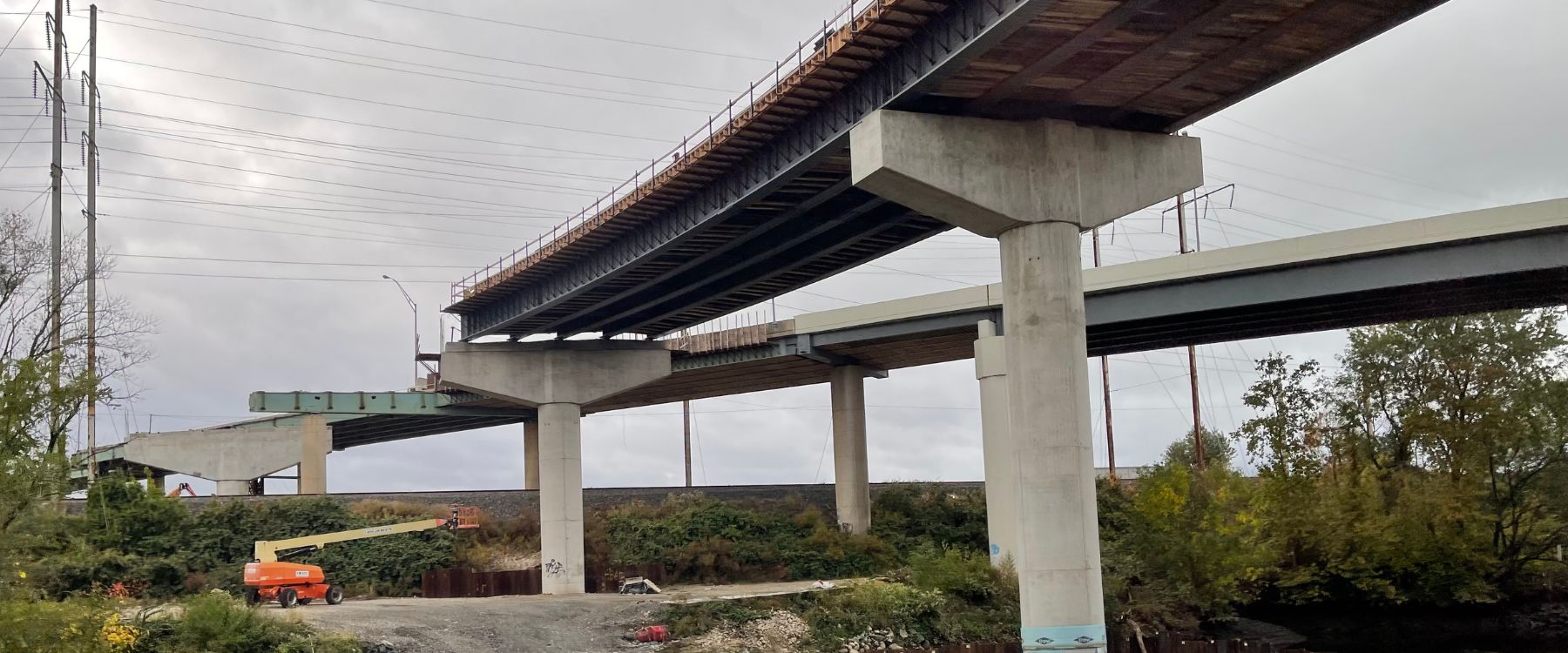
The Betsy Ross Interchange Improvements formed part of PennDOT's multi-phase program to reconstruct and modernize one of the most important highway interchanges in Northeast Philadelphia. Known as Section BR2, the $96.5 million project focused on improving connections between the Betsy Ross Bridge, Aramingo Avenue, and I-95 while maintaining mobility throughout construction.
The project included the removal and replacement of seven bridges and two retaining walls, along with roadway upgrades designed to improve long-term performance and safety. Additional improvements included:
- Long-life concrete pavement
- Warm mix asphalt pavement
- Drainage system upgrades
- Guiderail replacements
- Highway lighting improvements
- Asphalt overlays extending onto the bridge
Delivering these improvements presented significant engineering challenges. Construction had to be carefully staged to minimize disruptions to motorists while working within a densely developed urban environment that included active highway, rail, and transit infrastructure.
The Solution
Innovative Structural and Geotechnical Engineering
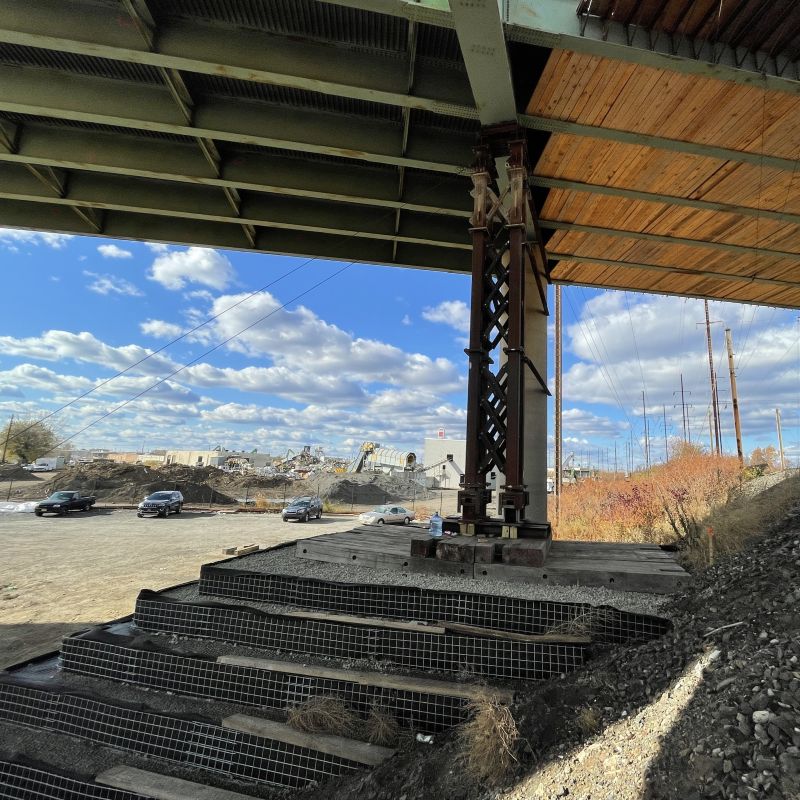
AEG, a SOCOTEC Company delivered integrated engineering and surveying services that supported the successful execution of this complex infrastructure project.
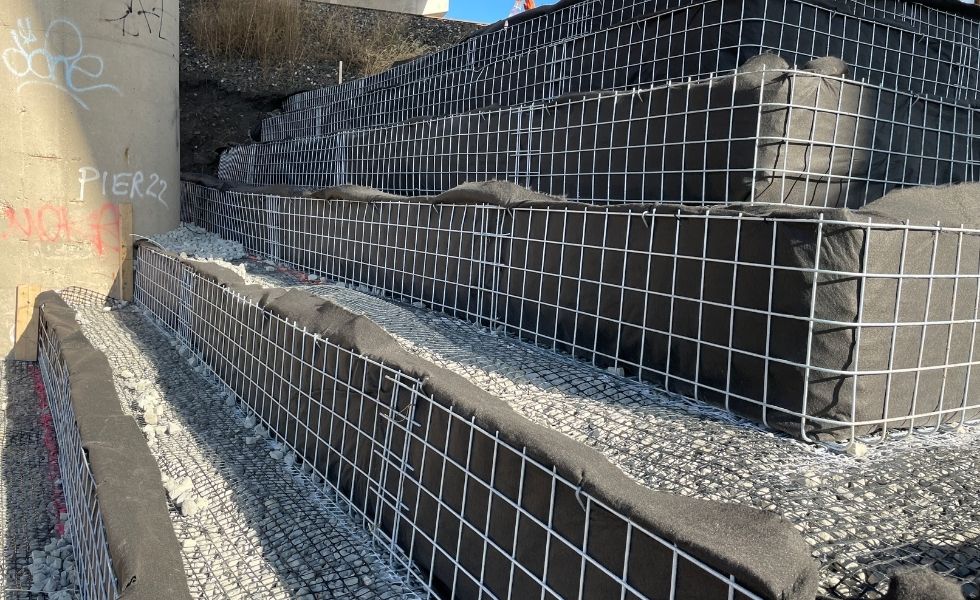
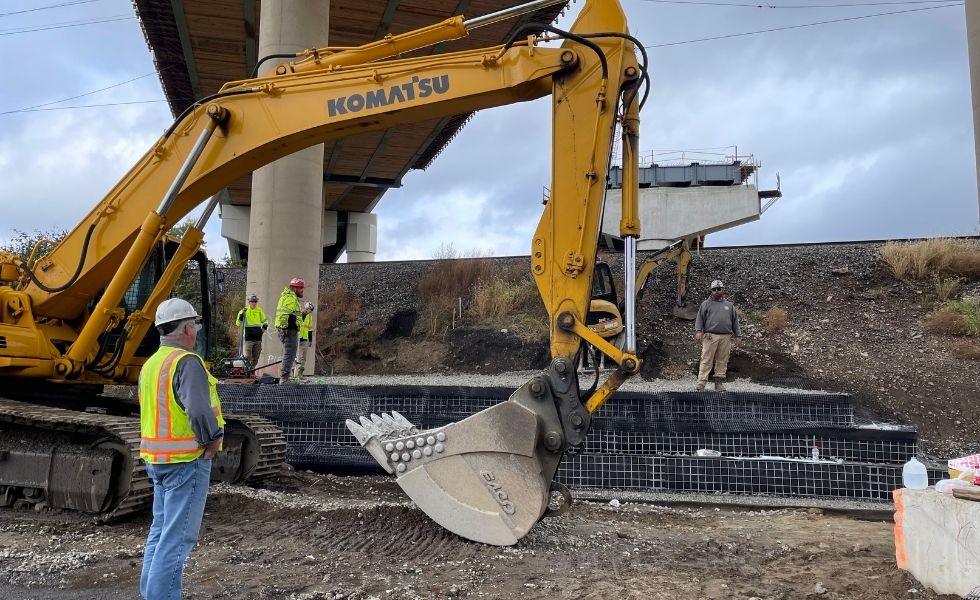
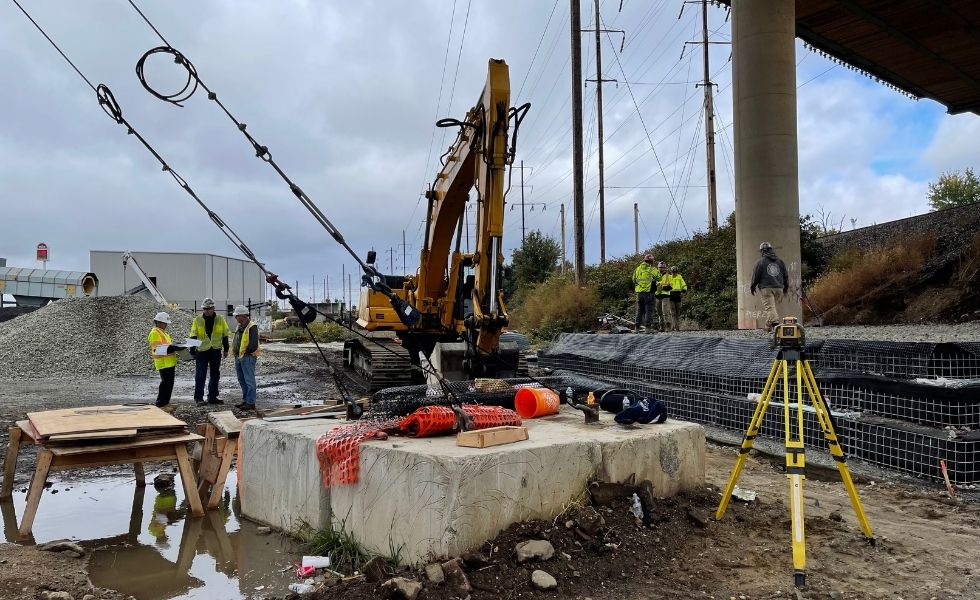
The team provided structural calculations for several temporary excavation support systems required during ramp replacement operations. One of the project's most innovative solutions involved designing a temporary support tower built on a geofabric-reinforced lightweight aggregate platform to carry an I-95 ramp throughout staged construction.
This engineering approach provided a practical alternative to the originally proposed pile-supported platform, offering a solution that was both more economical and easier to construct while meeting project performance requirements.
Services Provided
- Structural engineering
- Structural calculations for temporary excavation support systems
- Geotechnical engineering
- Temporary support tower design
- Geofabric-reinforced lightweight aggregate platform design
- Construction-phase surveying
AEG, a SOCOTEC Company delivered integrated engineering and surveying services that supported the successful execution of this complex infrastructure project.
The team provided structural calculations for several temporary excavation support systems required during ramp replacement operations. One of the project's most innovative solutions involved designing a temporary support tower built on a geofabric-reinforced lightweight aggregate platform to carry an I-95 ramp throughout staged construction.
This engineering approach provided a practical alternative to the originally proposed pile-supported platform, offering a solution that was both more economical and easier to construct while meeting project performance requirements.
Services Provided
- Structural engineering
- Structural calculations for temporary excavation support systems
- Geotechnical engineering
- Temporary support tower design
- Geofabric-reinforced lightweight aggregate platform design
- Construction-phase surveying
The Results
Supporting Safe, Efficient Infrastructure Improvements
The engineering solutions provided by AEG, a SOCOTEC Company, helped facilitate the staged reconstruction of a major transportation interchange while maintaining traffic through one of Philadelphia's busiest highway corridors.
By developing an innovative temporary support solution, the project team delivered a more economical and constructible approach than the original concept, helping support efficient construction sequencing.
The completed improvements contribute to a modernized interchange featuring upgraded bridges, improved roadway connections, enhanced drainage, updated safety features, and durable pavement systems designed to serve the region for years to come.

Planning your next transportation infrastructure project?