
PacifiCorp Gateway West Transmission Line, WY
Ninyo & Moore, a SOCOTEC Company, supported the Gateway West Transmission Line project in Wyoming, delivering comprehensive geotechnical engineering services for a 70-mile power transmission infrastructure corridor.
Key Information
Project Name: PacifiCorp Gateway West Transmission Line
Client: PacifiCorp c/o Power Engineers
Location: Glenrock, Wyoming
Services Provided: Geotechnical Engineering

Talk to our experts

The Challenge
Developing a 70‑Mile Transmission Line in Wyoming
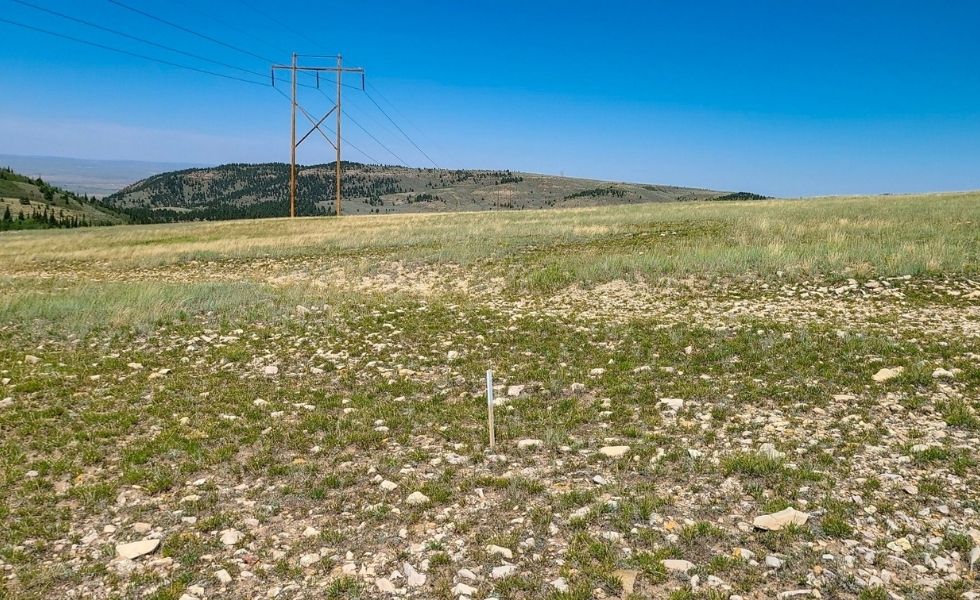
This 70‑mile transmission line project, extending from Glenrock to Medicine Bow in central Wyoming, required a detailed subsurface investigation to support the design and construction of transmission tower foundations across varied terrain.
The alignment crosses three counties — Converse, Natrona, and Carbon — each presenting distinct geological conditions, varying soil behaviors, and site‑specific foundation design challenges. Reliable geotechnical data was essential to evaluate soil performance, structural support capacity, and foundation requirements at numerous tower locations distributed across these counties.
Within this context, for the PacifiCorp Gateway West corridor, extensive field exploration and laboratory testing was required to characterize subsurface conditions along the entire alignment, while integrating key findings from previous geotechnical investigations to ensure consistent, corridor‑wide engineering recommendations.
The Solution
Comprehensive Geotechnical Investigation and Analysis

Ninyo & Moore, a SOCOTEC Company, delivered a full range of geotechnical engineering services to support foundation design and construction planning for the transmission line infrastructure.
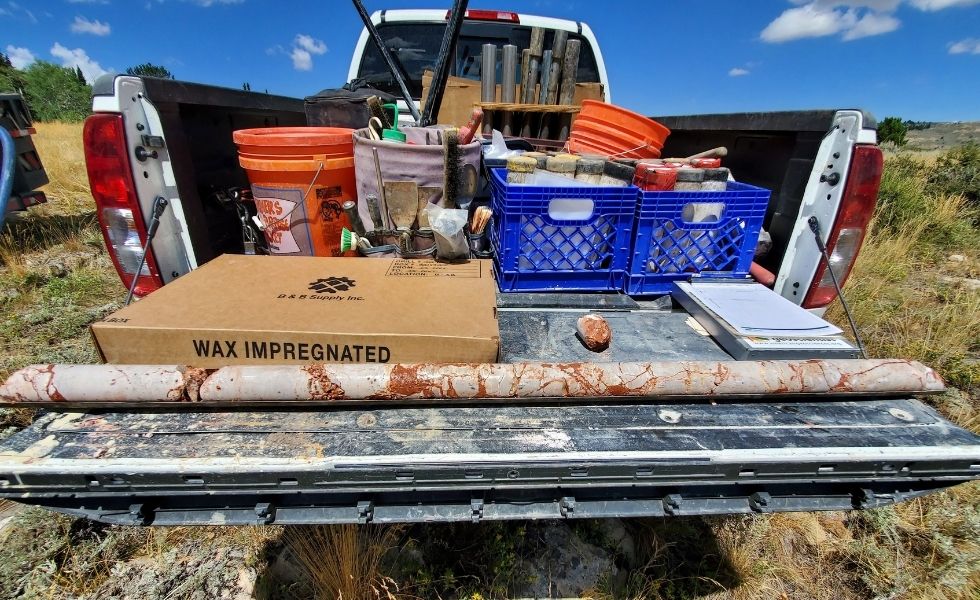
The project included the drilling, logging, and sampling of 52 exploratory borings, advanced to depths of 30 feet for the POT (Point of Tangent) towers and 50 feet for the PI (Point of Intersection) towers, along with laboratory testing to determine the physical and engineering properties of the subsurface soils. These activities aligned with the broader scope of core geotechnical services, which involved subsurface exploration, soil sampling, and engineering evaluation through laboratory analysis.
The work also included the review and integration of data from previous geotechnical studies, followed by the compilation and analysis of both field and laboratory data, as well as engineering analyses of the subsurface conditions. All findings contributed to the preparation of draft and final geotechnical reports, including engineering recommendations, design guidance, and the technical documentation needed to support project planning and future construction activities.
Ninyo & Moore, a SOCOTEC Company, delivered a full range of geotechnical engineering services to support foundation design and construction planning for the transmission line infrastructure.
The project included the drilling, logging, and sampling of 52 exploratory borings, advanced to depths of 30 feet for the POT (Point of Tangent) towers and 50 feet for the PI (Point of Intersection) towers, along with laboratory testing to determine the physical and engineering properties of the subsurface soils. These activities aligned with the broader scope of core geotechnical services, which involved subsurface exploration, soil sampling, and engineering evaluation through laboratory analysis.
The work also included the review and integration of data from previous geotechnical studies, followed by the compilation and analysis of both field and laboratory data, as well as engineering analyses of the subsurface conditions. All findings contributed to the preparation of draft and final geotechnical reports, including engineering recommendations, design guidance, and the technical documentation needed to support project planning and future construction activities.
The Results
Reliable Geotechnical Data for Transmission Line Development
Through comprehensive field exploration and engineering analysis, Ninyo & Moore, a SOCOTEC Company, supported the successful planning and design of a major energy transmission corridor in Wyoming.
Key Outcomes:
Detailed characterization of subsurface conditions along the transmission route
Engineering recommendations for transmission tower foundations
Integration of historical and newly collected geotechnical data
Support for safe and efficient infrastructure development
High-quality technical documentation for project implementation
The Gateway West Transmission Line project demonstrates the critical role of geotechnical engineering in supporting long-distance energy infrastructure across diverse terrain.