
Our Geotechnical Expert

What Is a Geotechnical Report? Why It Matters and What It Includes
Wed 08/19/2026 - 17:04
What Is a Geotechnical Report? Why It Matters and What It Includes
A foundation cracks two years after move-in. A grade slab settles unevenly because backfill wasn't compacted properly. A sewer line fails when a storm overwhelms a wash no one flagged during design. In nearly every case, the warning signs were in the ground the whole time — the project simply skipped, rushed, or misread the geotechnical report that would have caught them.
This guide answers the most common questions that project owners, structural engineers, civil engineers, architects, and contractors have about geotechnical reports. Whether you're planning a new project or looking to fully-understand the site-specific conditions, understanding what a geotechnical report says is essential for making informed design and construction decisions.
Key Takeaways
- Geotechnical reports document subsurface soil, rock, and groundwater conditions, and translates these findings into practical design and construction recommendations.
- They help owners, engineers and contractors identify potential geologic hazards, select appropriate foundation types, and anticipate site-specific challenges.
- These reports combine field exploration, laboratory testing, and engineering analysis to reduce the risk of unknowns during construction.
- Completing a geotechnical investigation early in the design process helps avoid costly redesigns, delays, and unexpected field conditions.
- Only a licensed geotechnical engineer or engineering geologist should prepare or stamp a geotechnical survey report.
- Validity varies by local agencies and site conditions — always confirm before relying on an older report.


What Is a Geotechnical Report?
A geotechnical report is a technical document prepared after a geotechnical exploration that evaluates the subsurface conditions of a construction site. Sometimes referred to as a geotechnical survey report or soil report for construction, it provides the factual information engineers need to design safe, durable, and cost-effective foundations, slabs, pavements, and earth-supported structures.
Rather than simply identifying the types of soil on a site, geotechnical reports explain how those soils and underlying materials are expected to behave under the proposed structure loading. The report evaluates factors such as soil strength, compressibility, expansivity, groundwater conditions, and geologic hazards, then translates those findings into practical engineering recommendations.
The purpose of a geotechnical report is to reduce uncertainty. It exists to characterize the actual conditions at the site and give the design team recommendations that reduce the risk of unknowns once construction starts.
Why Do I Need a Geotechnical Report?
Reducing Risk Through Better Site Data
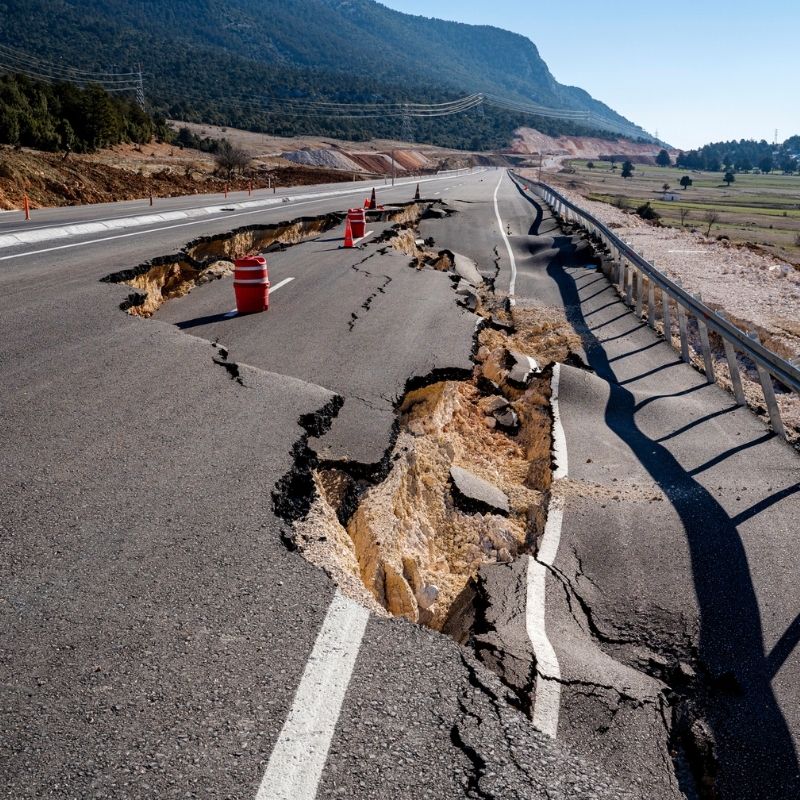
Every structure transfers its load to the ground, so the ground must be understood first. Not fully understanding the soil conditions before construction can lead to costly challenges in the building process. Without specific data on subsurface conditions, engineers are designing blind, guessing on bearing capacity, settlement behavior, slope stability, and hazard exposure.
Geotechnical reports matter because they help:
- Identify geologic hazards such as liquefaction, land subsidence, earth fissures, and seismic faulting.
- Guide foundation design and construction by determining whether soils are expansive, collapsible, or corrosive before they become structural problems.
- Reduce project costs by recommending efficient foundation and grade slabs systems that match the existing soil conditions.
- Prevent water damage by identifying groundwater levels to prevent basement flooding, hydrostatic pressure, and erosion.
- Support due diligence for property transactions, renovations, or disputes.
- Prevent risks of unknown and costly structural problems, settlement, and foundation failures.
- Satisfy permitting requirements from local agencies and insurance companies in hazard-prone regions.
Every structure transfers its load to the ground, so the ground must be understood first. Not fully understanding the soil conditions before construction can lead to costly challenges in the building process. Without specific data on subsurface conditions, engineers are designing blind, guessing on bearing capacity, settlement behavior, slope stability, and hazard exposure.
Geotechnical reports matter because they help:
- Identify geologic hazards such as liquefaction, land subsidence, earth fissures, and seismic faulting.
- Guide foundation design and construction by determining whether soils are expansive, collapsible, or corrosive before they become structural problems.
- Reduce project costs by recommending efficient foundation and grade slabs systems that match the existing soil conditions.
- Prevent water damage by identifying groundwater levels to prevent basement flooding, hydrostatic pressure, and erosion.
- Support due diligence for property transactions, renovations, or disputes.
- Prevent risks of unknown and costly structural problems, settlement, and foundation failures.
- Satisfy permitting requirements from local agencies and insurance companies in hazard-prone regions.
When Should a Geotechnical Report Be Performed?
Timing matters as much as the report itself. A geotechnical survey should ideally happen during the earliest planning stages of any construction project:
- Before land purchase, as part of site acquisition, due diligence on undeveloped or redevelopment sites
- During early design, so foundation types reflect real soil conditions
- Before permitting, since most jurisdictions across the US require a geotechnical investigation be performed
- When conditions change, such as major renovations adding load to existing foundations, expanding a footprint, or building near slopes or coastal areas
Waiting until construction documents are finalized to order a geotechnical survey report almost always leads to costly redesign.
What Does a Geotechnical Report Include?
A comprehensive geotechnical survey report generally includes the following.
Boring logs and lab results only matter if the engineer reading them understands what the soil is actually going to do once you build on it. In Arizona, for example, soils are routinely classified by the percentage passing the No. 200 sieve — coarse-grained soils below 50% may collapse, while fine-grained soils above 50% may expand. Getting that distinction wrong drives two very different, and very expensive, foundation problems.
Who Prepares a Geotechnical Report?
Geotechnical Companies
A geotechnical report should be prepared by a qualified geotechnical consultant — typically a licensed geotechnical engineer — supported by engineering geologists, field technicians, and laboratory technicians.
These professionals combine expertise in geology, soil mechanics, construction materials testing, and foundation engineering to interpret site-specific data and provide recommendations that comply with the local applicable building codes and engineering standards.
When selecting a geotechnical report company, look for a firm with:

How Long Is a Geotechnical Soil Report Valid?
Key Factors That Can Make an Update Necessary
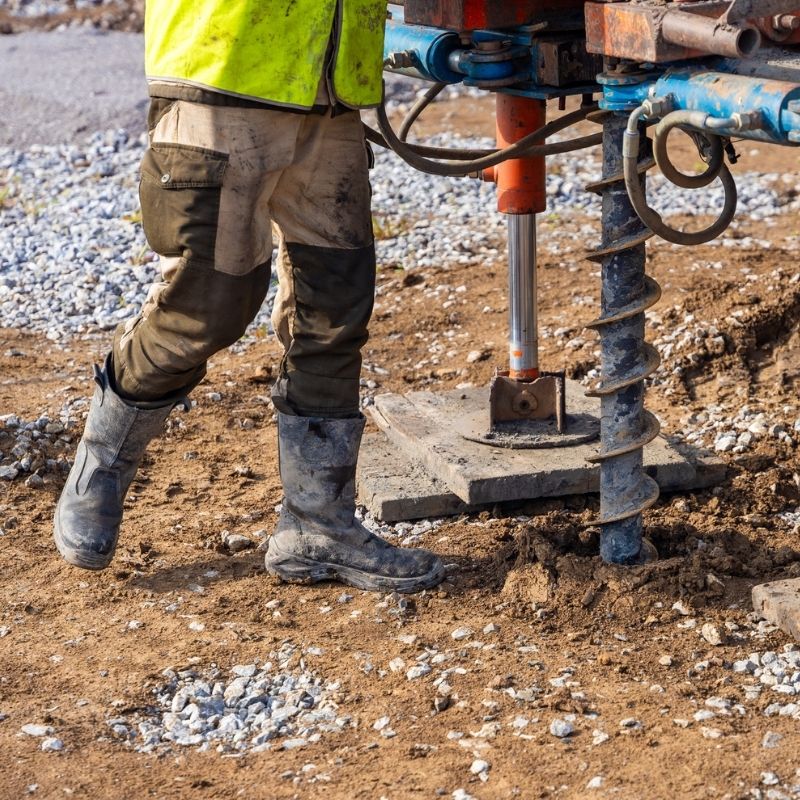
There's no universal expiration date, but most geotechnical consultants and local agencies consider a report reliable for about 5 years, provided conditions haven't changed.
A report may need to be updated if:
- Significant time has passed since the original investigation
- The project scope, footprint, or loading has changed
- Grading, excavation, or nearby construction has altered site conditions
- Flooding, erosion, earthquakes, or other natural events have altered site conditions
- Local building codes or agency requirements have changed
Even when the site appears unchanged, an older report should be reviewed by the original geotechnical engineer or another qualified geotechnical professional before it is used for design.
There's no universal expiration date, but most geotechnical consultants and local agencies consider a report reliable for about 5 years, provided conditions haven't changed.
A report may need to be updated if:
- Significant time has passed since the original investigation
- The project scope, footprint, or loading has changed
- Grading, excavation, or nearby construction has altered site conditions
- Flooding, erosion, earthquakes, or other natural events have altered site conditions
- Local building codes or agency requirements have changed
Even when the site appears unchanged, an older report should be reviewed by the original geotechnical engineer or another qualified geotechnical professional before it is used for design.
Geotechnical Testing Services with Local Knowledge
Geotechnical reports are only as reliable as the team behind them. SOCOTEC's geotechnical engineering team delivers site-specific investigations, geotechnical testing services, and construction monitoring across the US — from the West Coast to the Southeast, and through the Great Plains and Mountain West regions.
Our strength lies in local knowledge. With teams established in more than 15 states, our geotechnical engineers and engineering geologists understand the specific soil behaviors, geologic hazards, and regulatory requirements of the regions where they work.
This local expertise translates into geotechnical reports tailored to real regional risks, like:
- In Arizona, projects often require evaluation of land subsidence and earth fissures.
- In California, reports frequently include seismic hazards and liquefaction assessments.
- In Florida, our teams focus on karst geology and sinkhole risk, particularly in central and northern regions where limestone bedrock dissolution can undermine foundations.
- In Texas, expansion soil analysis is a priority, especially around Dallas-Fort Worth and Houston, where seasonal moisture swings drive foundation heaving and cracking.
Because our geotechnical consultants work directly within these regions, they bring firsthand experience with local soil conditions, permitting processes, and local agencies.
Looking for Geotechnical Consultants?
Our geotechnical engineers and engineering geologists are ready to help.
You may also like


Get the latest updates about SOCOTEC, subscribe to our newsletter!