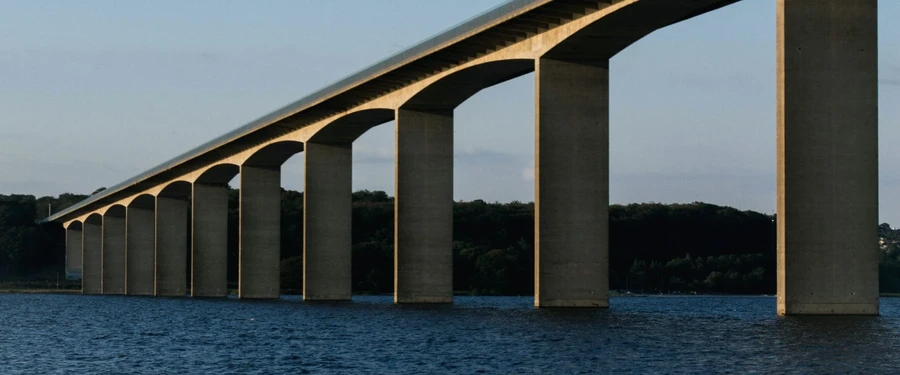

41st Street Bridge, PA
AEG, a SOCOTEC Company provided preliminary and final design engineering, geotechnical investigation, testing, and foundation recommendations for the reconstruction of the 41st Street Bridge in Philadelphia, Pennsylvania.
Key Information
Project Name: 41st Street Bridge
Client: Philadelphia Department of Streets
Location: Philadelphia County, PA
Services Provided: Geotechnical and Advanced Engineering

Talk to our experts

The Challenge
Reconnecting Mantua After 22 Years
The original 41st Street Bridge, connecting Mantua Avenue and Poplar Street, had been closed to vehicular traffic for 22 years due to deteriorating structural conditions.
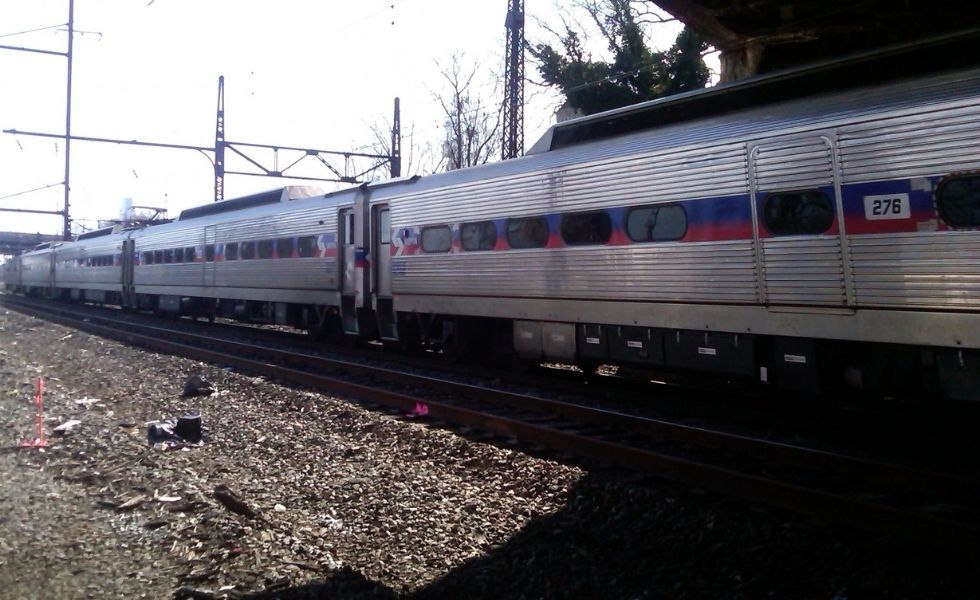
Replacing the aging structure required a bridge capable of crossing both active and former rail infrastructure. The new two-span continuous composite steel plate girder bridge features a 120-foot southern span over active Amtrak tracks and a 112-foot northern span over abandoned Norfolk Southern tracks, supported by concrete abutments and a central pier.
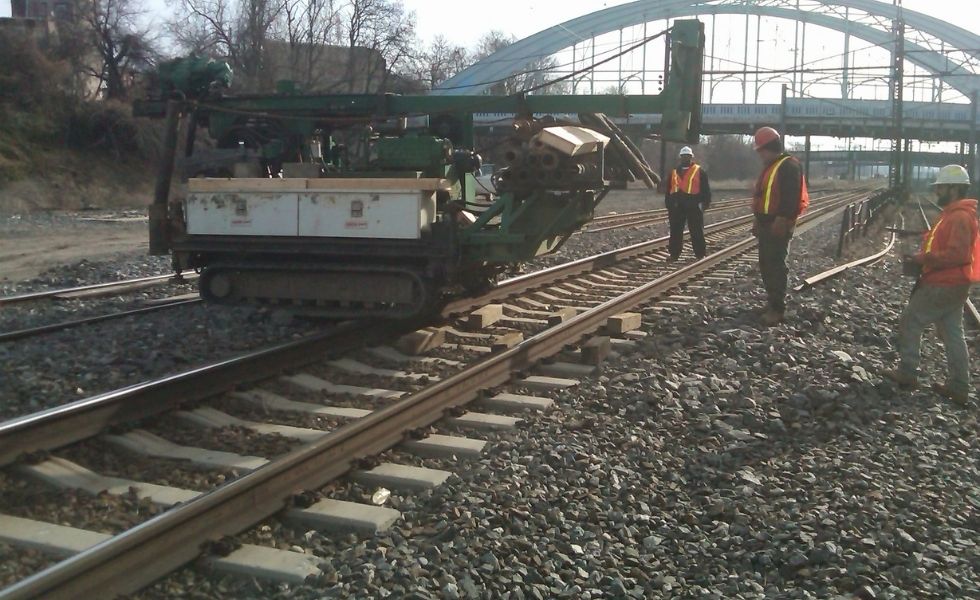
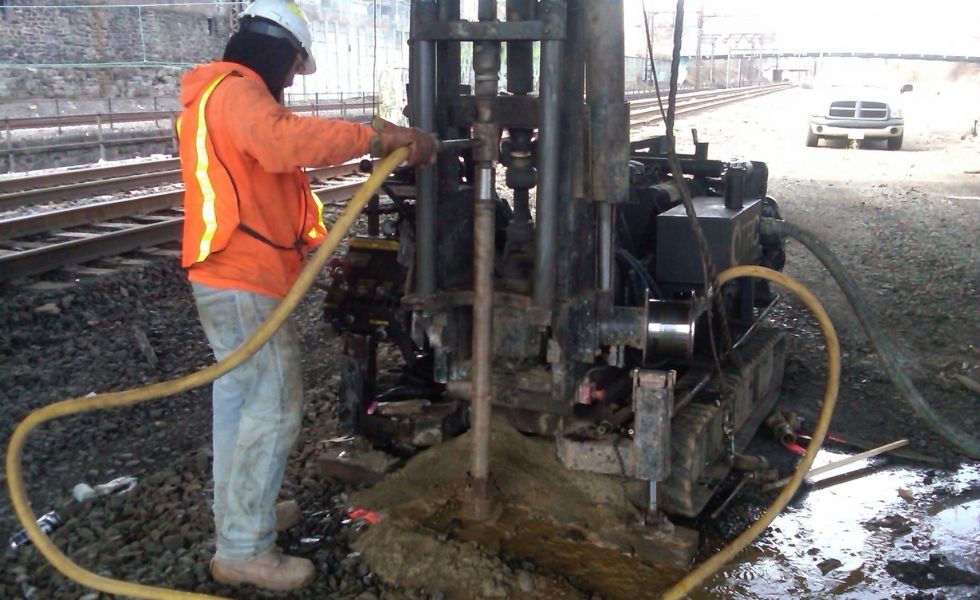
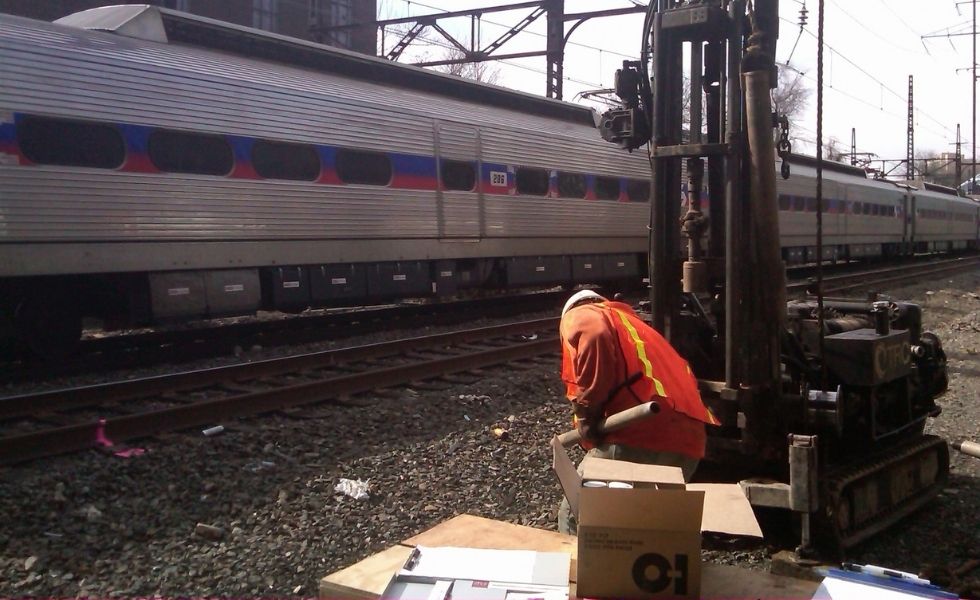
Subsurface conditions added complexity to the project. During drilling, hazardous materials were encountered, requiring specialized handling procedures during the investigation and construction phases.
The Solution
Engineering a Foundation Strategy for Complex Site Condition
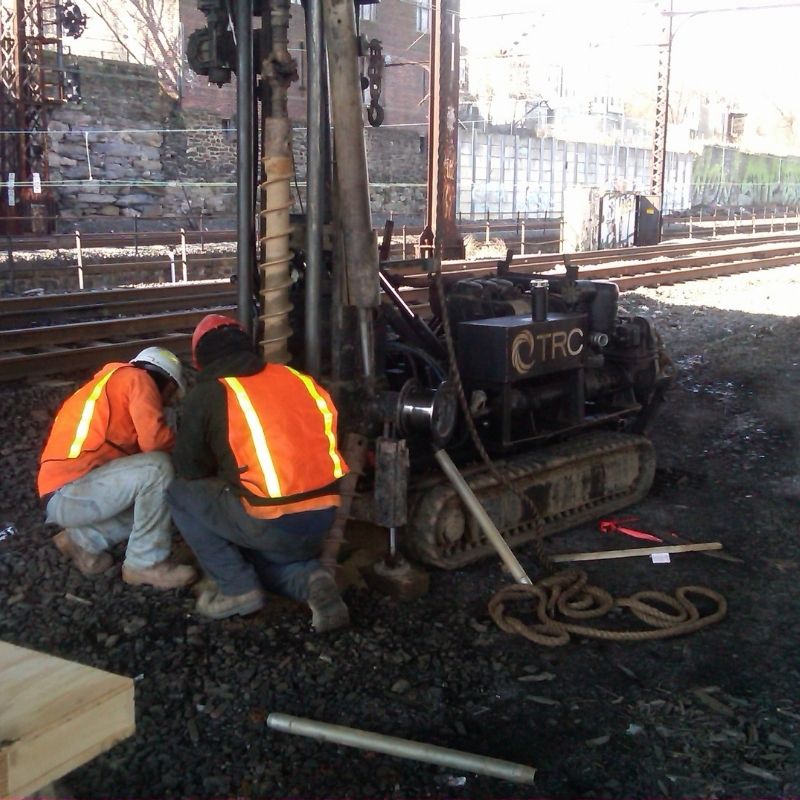
AEG developed its engineering approach in accordance with PennDOT’s Design Manual, Part 1, Design Manual 4, and Publications 222 and 293, working in coordination with City and PennDOT personnel.
Services provided included:
Preliminary Design Engineering
- Soil reconnaissance
- Geological investigations
- Reviewing published and unpublished data
- Consulting with City and PennDOT personnel
- Performing visual site inspections
- Developing a subsurface exploration program to identify potential geotechnical challenges
Final Design Engineering
- Executed the subsurface investigation and testing program
- Prepared the Structure Foundation Geotechnical Report (SFGR)
- Assisted in developing specifications and contract details
- The recommended foundation type for all substructures was drilled shafts (also known as caissons)
- Based on detailed geotechnical analyses
- The drilling program encountered hazardous materials
- Specialized handling procedures during both the investigation and construction phases
The findings informed the foundation strategy for the replacement bridge, with drilled shafts, also known as caissons, recommended for all substructures.
AEG developed its engineering approach in accordance with PennDOT’s Design Manual, Part 1, Design Manual 4, and Publications 222 and 293, working in coordination with City and PennDOT personnel.
Services provided included:
Preliminary Design Engineering
- Soil reconnaissance
- Geological investigations
- Reviewing published and unpublished data
- Consulting with City and PennDOT personnel
- Performing visual site inspections
- Developing a subsurface exploration program to identify potential geotechnical challenges
Final Design Engineering
- Executed the subsurface investigation and testing program
- Prepared the Structure Foundation Geotechnical Report (SFGR)
- Assisted in developing specifications and contract details
- The recommended foundation type for all substructures was drilled shafts (also known as caissons)
- Based on detailed geotechnical analyses
- The drilling program encountered hazardous materials
- Specialized handling procedures during both the investigation and construction phases
The findings informed the foundation strategy for the replacement bridge, with drilled shafts, also known as caissons, recommended for all substructures.
The Results
Restoring a Critical West Philadelphia Connection
The new 41st Street Bridge was completed ahead of schedule, restoring vehicular connectivity between Mantua Avenue and Poplar Street.
The completed project includes new adjacent retaining walls and catenary structures, along with architectural concrete parapets and fencing addressing safety and aesthetic considerations.
The modernized structure provides a renewed connection for West Philadelphia while supporting the City’s goal of reconnecting neighborhoods through resilient infrastructure.

Planning a Bridge or Infrastructure Project?