
Managing Risk in Aging Structures: A Forensic Review of the Davenport Collapse
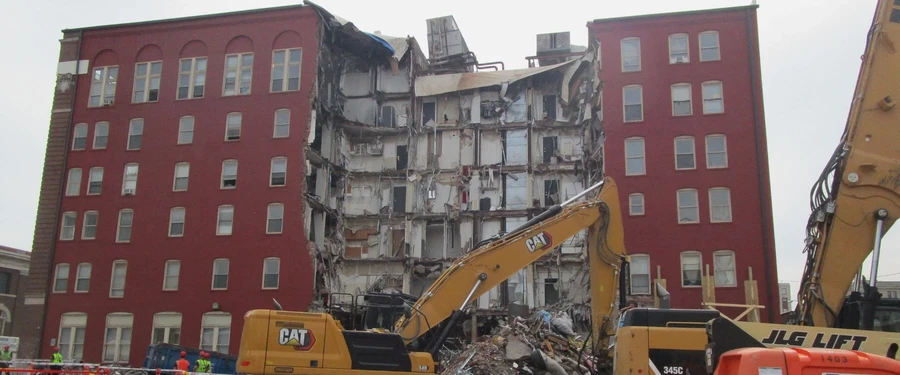
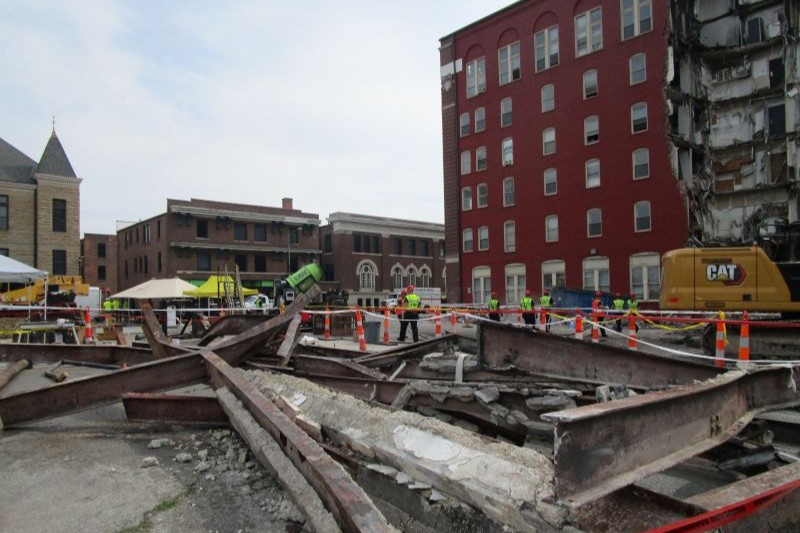
Building collapses are rarely the result of a single error. They are typically the outcome of cumulative design assumptions, undocumented alterations, inadequate repair strategies, and insufficient oversight. The collapse of the Davenport building in May 2023 provides a powerful real-world case study in how these factors can converge with catastrophic consequences. This expert-led webinar presents a comprehensive forensic engineering analysis of the Davenport collapse, from the building’s original construction and modification history to the repair activities occurring immediately prior to failure. Attendees will gain insight into how load paths were compromised, how temporary shoring and masonry removal altered structural behavior, and how incomplete documentation and oversight contributed to progressive failure. Through structural analysis, collapse sequencing, and root-cause evaluation, this session demonstrates why thorough investigation, accurate understanding of existing construction, and disciplined repair planning are critical to protecting life safety. The presentation emphasizes practical lessons for engineers, owners, and project teams responsible for maintaining and repairing aging structures, with a focus on preventing similar failures in future projects. This webinar is designed to be instructional and technical in nature, offering a rare look inside a full forensic collapse investigation and the engineering principles used to determine causation.

Objectives
Learning Objectives:
- Understand how structural collapses develop from cumulative conditions rather than isolated events
- Identify the role of load-bearing systems in historic buildings
- Evaluate the risks associated with repair and stabilization activities
- Recognize the importance of accurate documentation and construction understanding
- Apply forensic engineering principles to determine root and proximate causes
- Translate forensic findings into practical risk-reduction strategies
- Understand how structural collapses develop from cumulative conditions rather than isolated events
- Identify the role of load-bearing systems in historic buildings
- Evaluate the risks associated with repair and stabilization activities
- Recognize the importance of accurate documentation and construction understanding
- Apply forensic engineering principles to determine root and proximate causes
- Translate forensic findings into practical risk-reduction strategies
Who Should Attend/Benefits:
- Engineers (structural, forensic, and building envelope)
- Architects and preservation professionals
- Building owners, developers, and asset/facilities managers
- Construction managers, general contractors, and restoration contractors
- Special inspectors and code compliance professionals
- Risk managers, insurance professionals, and claims consultants
- Attorneys and legal professionals involved in construction or failure cases
- Public-sector officials (building departments, housing authorities, public works)
About the Speaker
Rupert PRICE, Principal
Mr. Rupert Price is an experienced Vice President and Principal Engineer with SOCOTEC’s Testing and Forensics services, bringing international structural design expertise from leadership roles in London, Abu Dhabi, and Chicago. He specializes in litigation support for construction defects, structural failures, and construction-related site injuries, as well as structural health monitoring and construction dispute analysis.
He has led projects across all major construction materials, applying his design experience to conduct thorough forensic investigations and provide practical, solution-oriented analyses of structural performance and failures.Mr. Price is licensed as a Structural Engineer in Illinois and California, a Professional Engineer in Minnesota, Washington, Texas, and California, and a Chartered Member of the Institution of Structural Engineers in London. He holds a Master’s degree in Civil, Structural, and Environmental Engineering from the University of Cambridge.

Want to learn how forensic engineering can help you manage risk in aging buildings?