
Webinar - Understanding and Interpreting Geotechnical Reports In Florida
Join SOCOTEC’s expert-led webinar to learn how to interpret geotechnical reports and apply them to construction and design projects in Florida.
Geotechnical reports are essential tools for reducing construction risk, yet they can be challenging to interpret for those outside the geotechnical engineering field. This webinar provides practical guidance on reading, understanding, and applying geotechnical reports for construction and design projects.
Focusing on challenges specific to Florida such as high water tables, low-capacity surficial soils that require deep foundations, muck/organics, and sinkholes, the session explores key report components and their practical applications. Attendees will learn how to interpret boring logs, testing results, and engineering recommendations to make informed project decisions.
By completing this course, attendees can receive:
- 1 PDH credit
- 1 AIA LU credit

Objectives
What You'll Learn
- Understand the four main components of geotechnical reports—geologic setting, site-specific soil conditions, engineering analysis, and recommendations—to extract critical information for project planning and design.
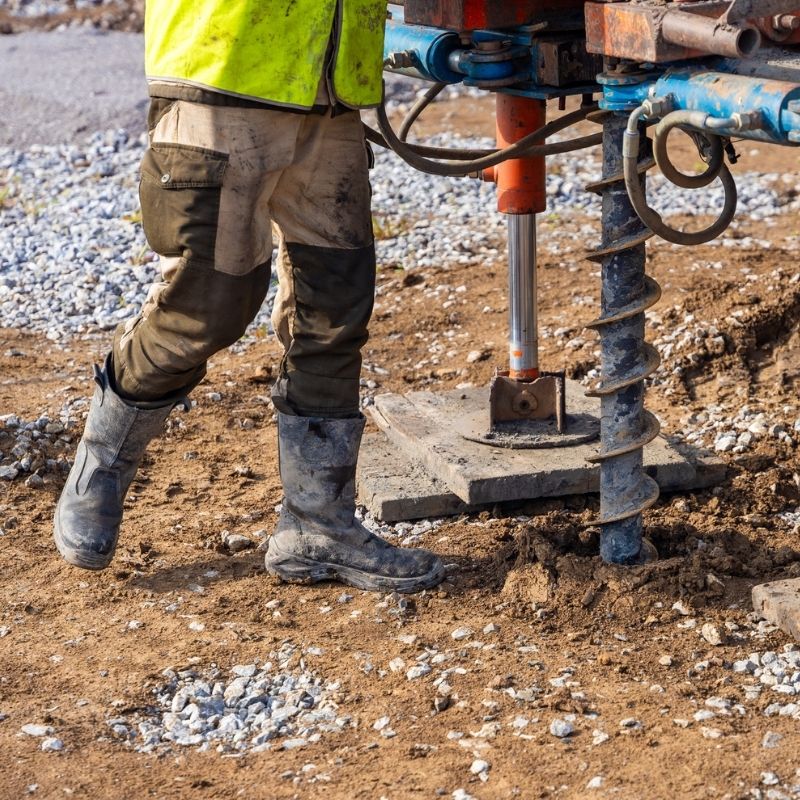
- Interpret boring logs and laboratory test results to understand subsurface conditions, including soil classification, and potential soil behavior (expansion vs. collapse).
- Recognize geologic hazards such as high water tables, sinkhole potential, muck, and soft surficial soils, and evaluate their potential impacts on construction projects in Florida.
- Apply mitigation techniques for problematic soils, including highly organic sands and muck and saturated collapsible sands, to reduce construction risks and improve project safety.
- Understand the four main components of geotechnical reports—geologic setting, site-specific soil conditions, engineering analysis, and recommendations—to extract critical information for project planning and design.
- Interpret boring logs and laboratory test results to understand subsurface conditions, including soil classification, and potential soil behavior (expansion vs. collapse).
- Recognize geologic hazards such as high water tables, sinkhole potential, muck, and soft surficial soils, and evaluate their potential impacts on construction projects in Florida.
- Apply mitigation techniques for problematic soils, including highly organic sands and muck and saturated collapsible sands, to reduce construction risks and improve project safety.
Who Should Attend
- Civil Engineers and Structural Engineers who need to interpret geotechnical data for their design work
- General contractors who need to understand subsurface conditions before bidding on or executing projects
- Project Managers and Construction Managers overseeing projects where geotechnical considerations are critical
- Municipal Engineers and Public Works Officials managing infrastructure projects
- Architects who must understand foundation requirements and site conditions
About the Speaker
James HILL – Division Manager
James Hill is a geotechnical engineering and construction materials testing leader with over 16 years of experience managing complex projects, technical teams, and regional operations across the Southeast. He specializes in geotechnical engineering, construction materials testing, special inspections, and quality assurance for public and private developments, with expertise spanning transportation, education, healthcare, hospitality, entertainment, and commercial projects.
A licensed Professional Engineer in five states and a Florida Special Inspector, James is recognized for his technical expertise, leadership, and commitment to delivering safe, reliable, and innovative solutions that help clients successfully achieve their project goals.

Want to improve your understanding of geotechnical reports?