Our Energy & Sustainability Expert

Decarbonizing the Built Environment: What It Really Takes
Wed 03/25/2026 - 2:00 PM
Decarbonizing the Built Environment: What It Really Takes
Buildings are responsible for nearly 40% of global greenhouse gas emissions. From affordable housing to public schools and commercial buildings, the way we design, construct, and operate buildings directly influences greenhouse gas emissions, energy performance, and long-term sustainability.
But with practical, science-based decarbonization strategies that improve building performance while supporting financial goals.
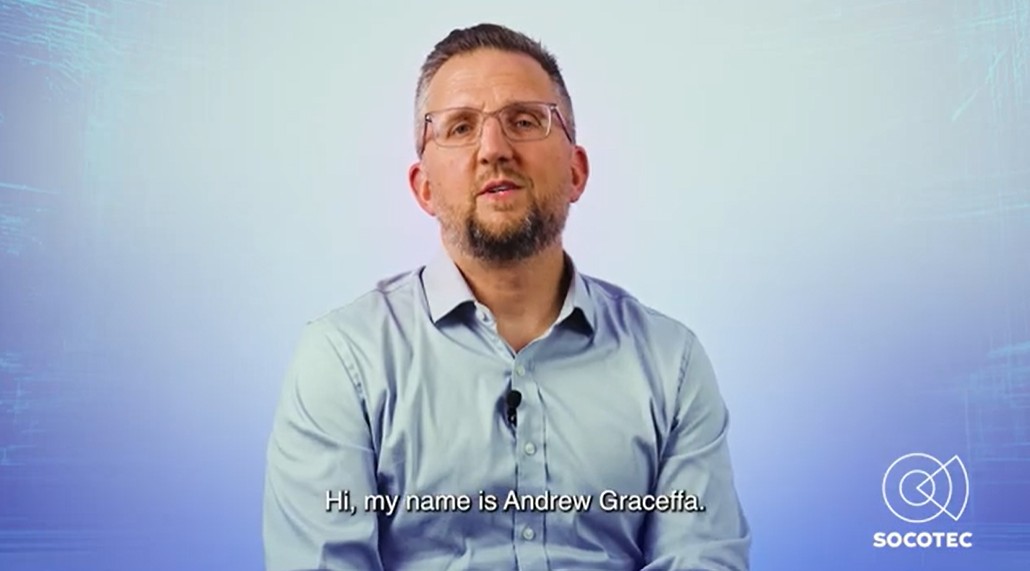
As Andrew Graceffa, Principal – Energy & Sustainability, explains in our Trust & Tech series, the challenge is not just technical. It’s about delivering solutions that stakeholders can trust and implement at scale.


Decarbonizing the Built Environment: What It Really Takes
Trust & Tech
What Is Building Decarbonization?
Building decarbonization is the process of eliminating or dramatically reducing the carbon footprint associated with buildings across their entire life cycle, from construction to operation.
It's one of the most impactful levers we have to address the climate crisis, but it's also one of the most complex.
Andrew Graceffa describes it simply as a three-legged stool:
Measuring and Reducing Whole-Life Carbon
To effectively reduce emissions, it’s essential to understand whole life carbon, the total emissions generated throughout a building’s life cycle.
This includes:
- Embodied Carbon: Emissions from materials, manufacturing, transportation, and construction
- Operational Carbon: Emissions from energy use during the building’s lifetime
Understanding and reducing the embodied carbon of a built asset or a proposed project and reducing or eliminating the operational carbon really helps you understand the whole life carbon of a project.
Comprehensive Carbon Reduction Services
At SOCOTEC, we provide comprehensive carbon reduction services to address both dimensions:
Life Cycle Assessment (LCA) to quantify carbon impacts
Energy modeling and analysis to guide design decisions
Building envelope consulting to enhance thermal performance
Commissioning and auditing (MEP & envelope) for verification
Green building consulting integrating materials, air quality, and sustainability
All-electric HVAC strategies to eliminate fossil fuels
Renewable energy and geothermal feasibility studies
Circularity strategies for sustainable material selection
We work with architects, developers, owners and municipalities to bring a cohesive, whole-solution approach to decarbonizing the built environment across new construction and existing assets alike.
Community Impact
Decarbonization in Affordable Housing and Public Schools
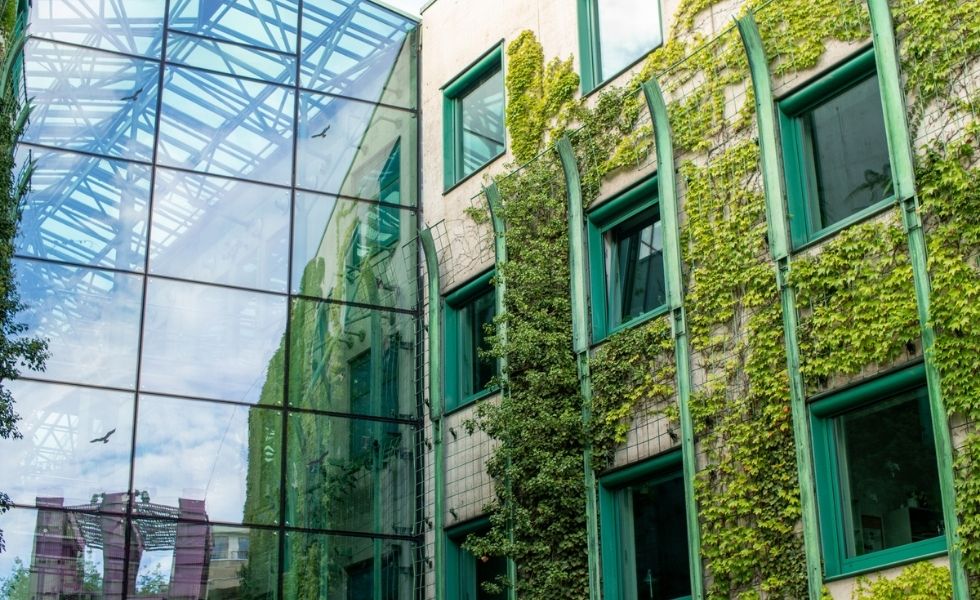
Decarbonization is especially impactful in affordable housing and public schools, sectors that serve the public every day and where budgets are tight but long-term benefits are significant.
Unique challenges:
Aging infrastructure
Complex procurement processes
Strict regulatory requirements
High energy demand and operational costs
Limited capital budget
Major opportunities:
Lower utility costs for residents and municipalities
Healthier indoor environments
Improved occupants comfort
Long-term asset resilience
SOCOTEC brings deep experience working with public stakeholders such as New York City School Construction Authority and New York City Housing Authority (NYCHA) for over 20 years. That long-standing relationship reflects something important: in these sectors, trust is earned over time, through consistent accuracy and results.
Decarbonization is especially impactful in affordable housing and public schools, sectors that serve the public every day and where budgets are tight but long-term benefits are significant.
Unique challenges:
Aging infrastructure
Complex procurement processes
Strict regulatory requirements
High energy demand and operational costs
Limited capital budget
Major opportunities:
Lower utility costs for residents and municipalities
Healthier indoor environments
Improved occupants comfort
Long-term asset resilience
SOCOTEC brings deep experience working with public stakeholders such as New York City School Construction Authority and New York City Housing Authority (NYCHA) for over 20 years. That long-standing relationship reflects something important: in these sectors, trust is earned over time, through consistent accuracy and results.
Why Trust, Accuracy, and Building Science Matter
Decarbonization decisions carry long-term implications for performance, compliance, and investment value. That’s why trust and accuracy are essential.
SOCOTEC’s approach is grounded in rigorous building science and verified data, ensuring that recommendations are not only innovative but reliable. We combine technical expertise with efficient delivery, helping clients respond to increasing regulatory and market demands without delays.
The future of this expertise is really going to come down to two major components… One is the accuracy and trust of the evaluations in the building science that we are providing our clients… Two is speed.
Cost & Impact
Balancing Financial ROI and Carbon ROI
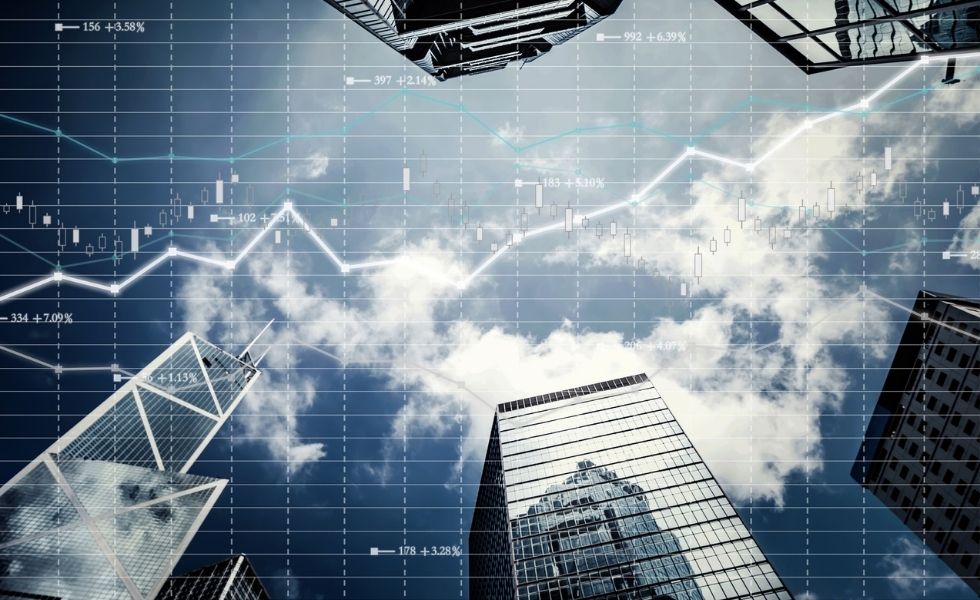
One of the most common concerns about sustainability strategies is cost. Successful decarbonization strategies must balance financial return on investment (ROI) with carbon return on investment.
This means:
Prioritizing measures that deliver both cost savings and emissions reductions
Aligning sustainability goals with budget constraints and funding opportunities
Supporting stakeholders in making data-driven decisions
SOCOTEC helps clients evaluate trade-offs and identify high-impact solutions that maximize both economic and environmental value. Whether it's identifying the most cost-effective envelope upgrades, modeling the payback period of a geothermal system, or phasing an electrification strategy to align with capital planning cycles, our team support decisions that are financially sound and environmentally meaningful.
One of the most common concerns about sustainability strategies is cost. Successful decarbonization strategies must balance financial return on investment (ROI) with carbon return on investment.
This means:
Prioritizing measures that deliver both cost savings and emissions reductions
Aligning sustainability goals with budget constraints and funding opportunities
Supporting stakeholders in making data-driven decisions
SOCOTEC helps clients evaluate trade-offs and identify high-impact solutions that maximize both economic and environmental value. Whether it's identifying the most cost-effective envelope upgrades, modeling the payback period of a geothermal system, or phasing an electrification strategy to align with capital planning cycles, our team support decisions that are financially sound and environmentally meaningful.
About the Trust & Tech Series
Trust & Tech is a video series where SOCOTEC experts share insights on how technical innovation and trusted expertise are shaping the future of the built environment.
Ready to Decarbonize Your Building Portfolio?
Start your sustainability journey
You may also like


Get the latest updates about SOCOTEC, subscribe to our newsletter!