Our Forensics Expert

Rupert PRICE
Vice President and Principal Engineer


Building failures rarely happen without warning. Cracks, leaking, and corrosion often appear long before a catastrophic event occurs. Yet these early signs are frequently overlooked—until the consequences become costly, disruptive, or dangerous.
Forensic engineering plays a critical role in bridging that gap. By identifying and analyzing construction defects and structural vulnerabilities, experts help safeguard the built environment, extend the lifespan of structures, and protect the people who rely on them every day.
In today’s context where many buildings across the United States are aging and increasingly complex, this expertise is more important than ever.
In this Trust & Tech video, Rupert Price, Vice President and Principal Engineer, Testing & Forensics, explains that the challenge goes beyond investigating failures. It’s about identifying risks early and ensuring building owners can take informed, timely action to prevent them.

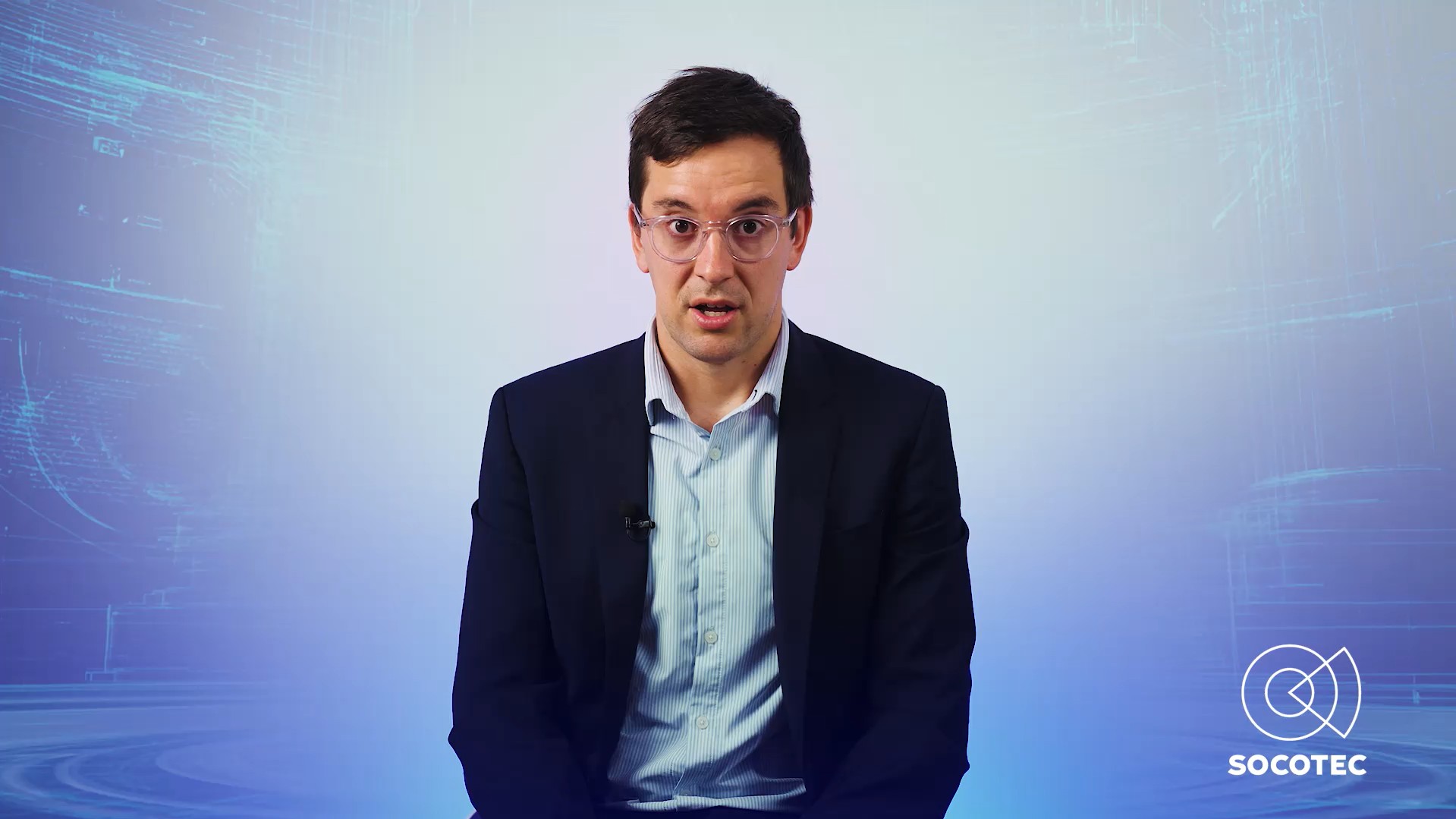
Preventing Building Failures: Why Forensic Engineering Matters Before It’s Too Late
Trust & Tech
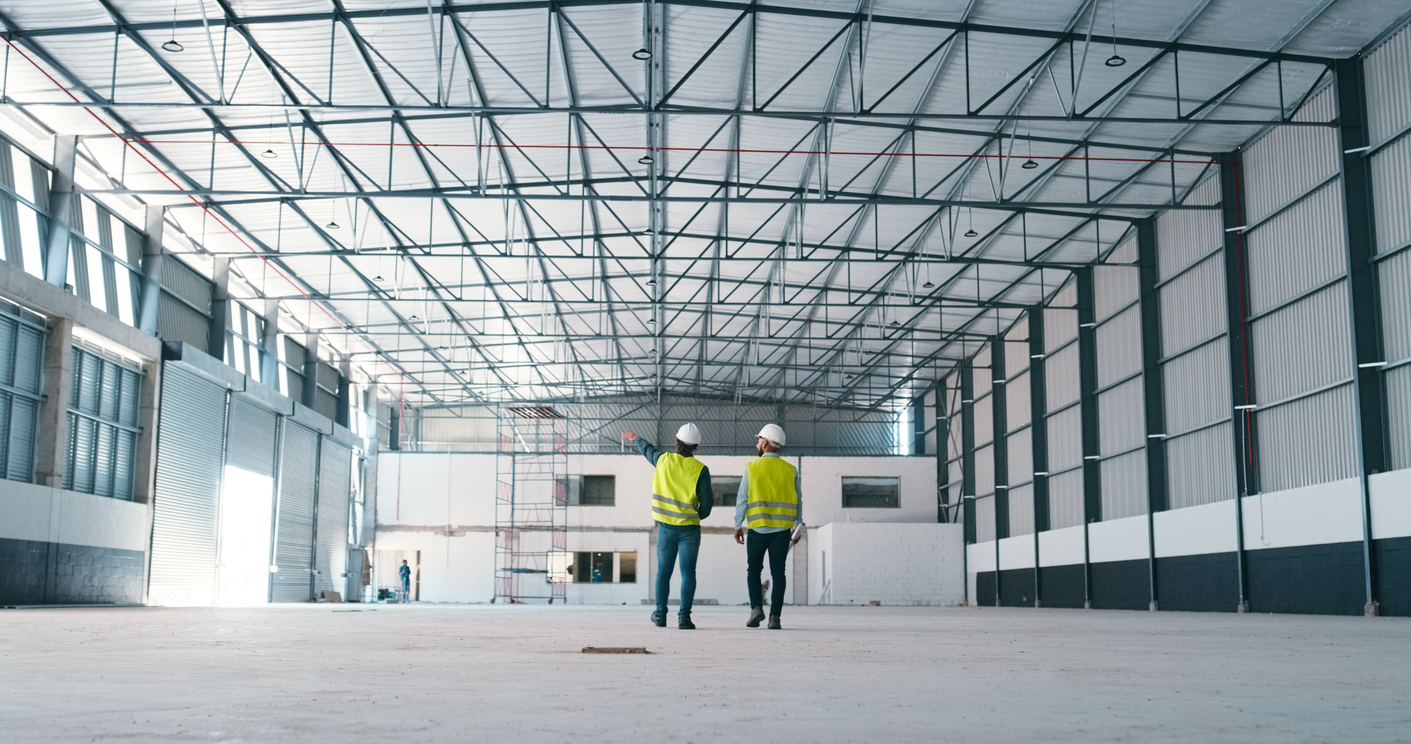
A structural forensic engineer is a specialist who investigates building failures, performance issues, and construction defects. Their work often results in a detailed structural engineering report that identifies root causes, assesses risks, and recommends corrective actions. These professionals operate at the intersection of engineering, safety, and risk management.
A structural forensic engineer is essential in:
Diagnosing structural issues in existing buildings
Supporting claims, damages, and dispute resolution processes
Preventing future failures through data-driven insights
In short, forensic engineers explain what went wrong and help ensure it doesn’t happen again.
A structural forensic engineer is a specialist who investigates building failures, performance issues, and construction defects. Their work often results in a detailed structural engineering report that identifies root causes, assesses risks, and recommends corrective actions. These professionals operate at the intersection of engineering, safety, and risk management.
A structural forensic engineer is essential in:
Diagnosing structural issues in existing buildings
Supporting claims, damages, and dispute resolution processes
Preventing future failures through data-driven insights
In short, forensic engineers explain what went wrong and help ensure it doesn’t happen again.
A forensic investigation goes far beyond surface-level observations. It combines field inspections, material testing, and engineering analysis to uncover the underlying causes of structural issues.
Common types of building failures and defects:
Cracks in structural elements that may indicate stress or movement
Leaking that leads to moisture intrusion and long-term deterioration
Corrosion of steel components caused by water infiltration
Foundation settlement or structural instability
Design or construction errors
Each issue is carefully evaluated to determine whether it poses a risk to safety or could escalate into a more severe failure. This investigative approach provides clients with clarity and a path forward.
One of the most valuable aspects of forensic engineering is its role in proactive maintenance. While investigations often follow visible issues, much of the work happens before a collapse occurs.
This shift from reactive to proactive thinking is essential in preventing catastrophic events and ensuring the resilience of the built environment.
When it comes to forensic engineering, we're investigating failures of buildings. Ultimately that could be a collapse, but a lot of the work we do is in the maintenance period to basically ensure that a collapse doesn't happen.
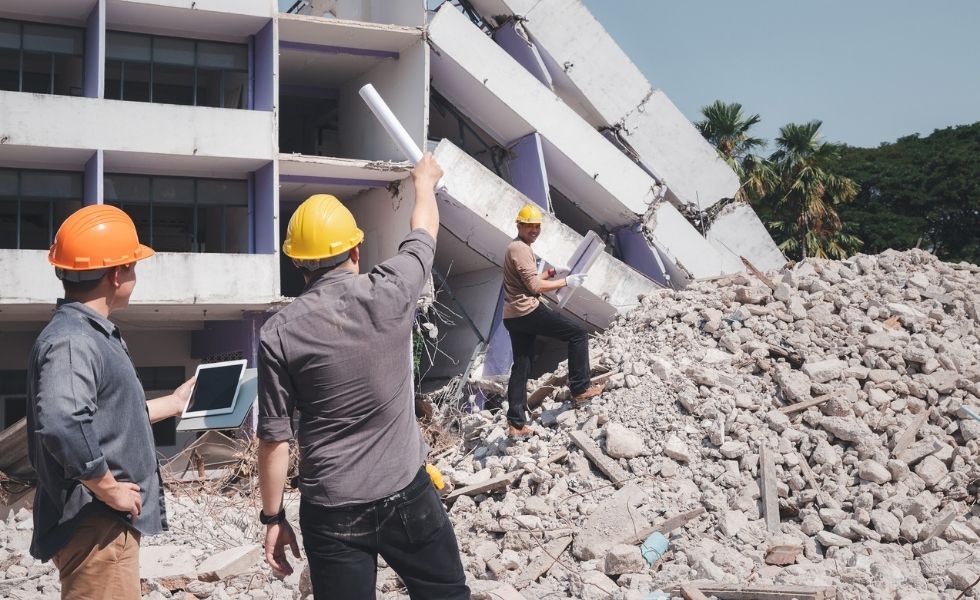
Every failure tells a story, and forensic engineering ensures those lessons are not lost.
By analyzing past building collapses, defects, and performance issues, engineers can:
Improve design practices for new projects
Refine construction methods and material selection
Enhance inspection and monitoring strategies
Reduce risk across future developments
This continuous feedback loop strengthens the entire industry.
Every failure tells a story, and forensic engineering ensures those lessons are not lost.
By analyzing past building collapses, defects, and performance issues, engineers can:
Improve design practices for new projects
Refine construction methods and material selection
Enhance inspection and monitoring strategies
Reduce risk across future developments
This continuous feedback loop strengthens the entire industry.
Why Early Detection and Timely Action Save Costs and Protect People
Delaying action on structural issues can have serious consequences. What starts as a minor defect such as cracks or leaking, can evolve into extensive damage, higher repair costs, or even a building collapse.
Early detection offers clear advantages:
Timely intervention is not just a technical decision. It’s a strategic choice that protects both people and investments.
The importance of forensic structural investigations is to ensure the longevity of the built environment and to inform our clients of potential safety issues with their structures, and that we really try and ensure that they act on those things in a timely fashion so that it doesn't become more costly or a catastrophic event occurs later in the building's life.
At SOCOTEC, our forensic engineering experts provide comprehensive support across the lifecycle of your assets.
Our forensics expertise include:
With teams across the United States, we combine technical expertise with a practical, client-focused approach, helping you make informed decisions with confidence.
This video is part of Trust & Tech SOCOTEC’s series highlighting expert insights on the technologies and methodologies shaping safer, more resilient built environments.
Are you confident your building is free from hidden risks?
Protect your assets and ensure the long-term safety of your buildings.
Get the latest updates about SOCOTEC, subscribe to our newsletter!


