20 Malcolm X Boulevard, MA
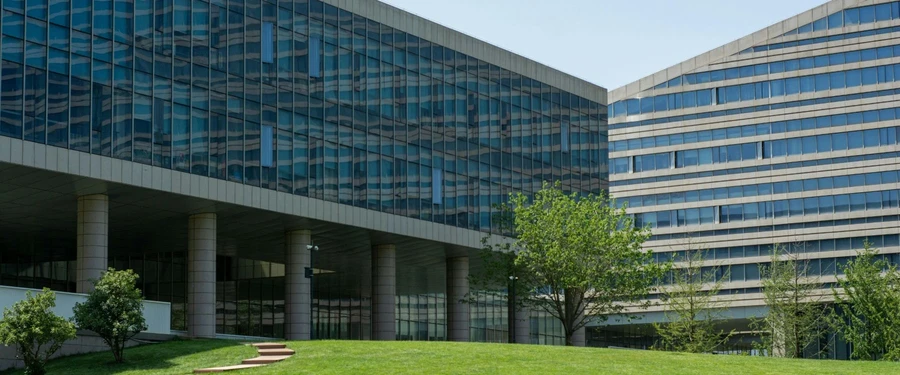
SOCOTEC is the certified Passive House Consultant and Phius Verifier for 20 Malcolm X Boulevard, a six-story, 110-unit residential building in Roxbury, Boston, which achieved Phius Design Certification.
Key Information
Project Name: 20 Malcolm X Boulevard
Client: EMBARC (Architect)
Owner: 10 MX Owner, LLC
Location: Roxbury, Boston, MA
Services Provided: Passive House Consulting and Verification; Sustainability Consulting (Article 37)

Talk to our experts

The Challenge
Passive House Goals, Massachusetts Codes
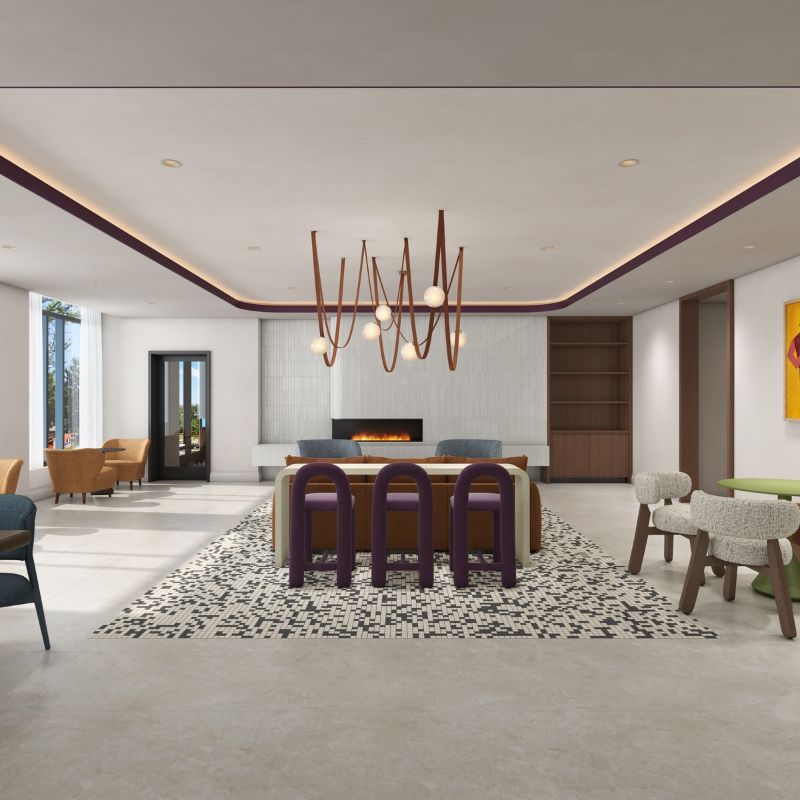
Set in Nubian Square, 20 Malcolm X Boulevard brings 110 residential units to the heart of Roxbury, one of Boston's historic neighborhoods. The six-story building offers a mix of studio, one-, two- and three-bedroom apartments, along with shared resident amenities.
As a large multifamily property in Boston, the Project was required to pursue Passive House compliance under 225 CMR 23.00 Massachusetts Specialized Code for Commercial and Multifamily Construction. In addition, the project was required to be LEED Gold-certifiable in accordance with Boston's Article 37.
The development replaces a surface parking lot and creates a new public space at the corner of Malcolm X Boulevard and Shawmut Avenue.
The Solution
Energy and Sustainability Services for Phius Certification
As the CPHC, SOCOTEC modeled the building's energy performance to support its path to design certification, providing guidance and technical oversite at every stage of the project.
Services provided:
- Passive House consulting: our CPHC professionals provided clear guidance and technical oversight at every stage of the project.
- Sustainability Consulting: To guide the project to LEED Gold Certifiable standards required by Article 37, a local regulation.
- Whole Building Life Cycle Assessment: Core and shell life cycle assessment to support the LEED Gold Certifiable requirements. Our specialists compared the proposed design with a conventional steel-and-concrete design of the same area, function and energy performance, covering the structure and envelope over 60 years, in line with LEED v4.1 and ISO 14040/14044.
- Passive House Verification: To verify and test the installed systems against the design documentation and energy model.
The Results
Phius Design Certified
In 2026, 20 Malcolm X has achieved Phius Design Certification, recognizing its commitment to energy efficiency, building performance and resident comfort.
The building also meets the LEED Gold standard (LEED Gold certifiable), satisfying Article 37. Its Whole Building LCA shows a 38% reduction in embodied carbon, about 1,800 tonnes of CO2e, along with a 37% cut in non-renewable energy use.
Passive House buildings rely on a highly insulated, airtight envelope, high-performance windows and continuous ventilation with heat recovery. This approach delivers lasting benefits.
For the owner:
- Lower energy demand, reducing heating and cooling costs over the building's life
- Independently verified performance, through third-party Phius certification
- Code confidence, with a design modeled against Massachusetts' Specialized energy code
For residents:
- Year-round comfort: steady indoor temperatures and no cold drafts
- Fresh, filtered air, supplied continuously by the ventilation system
- Quieter homes, thanks to airtight, well-insulated walls and windows
- Greater resilience: the building holds its temperature longer during a power outage
Aiming for Passive House?