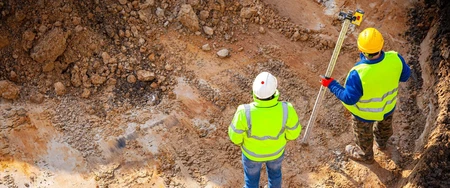
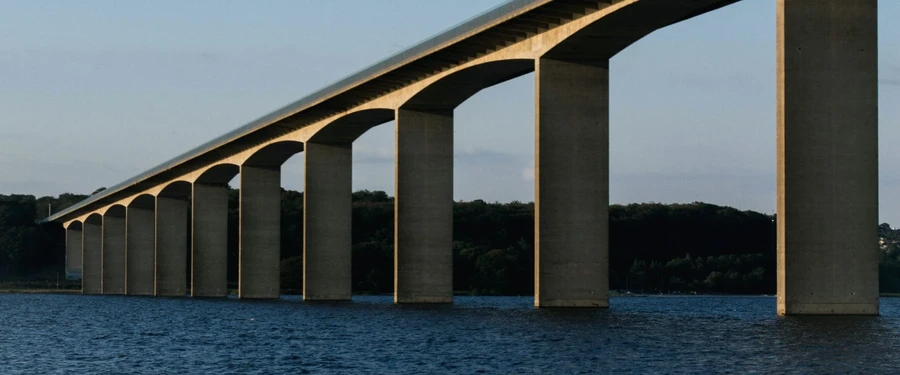
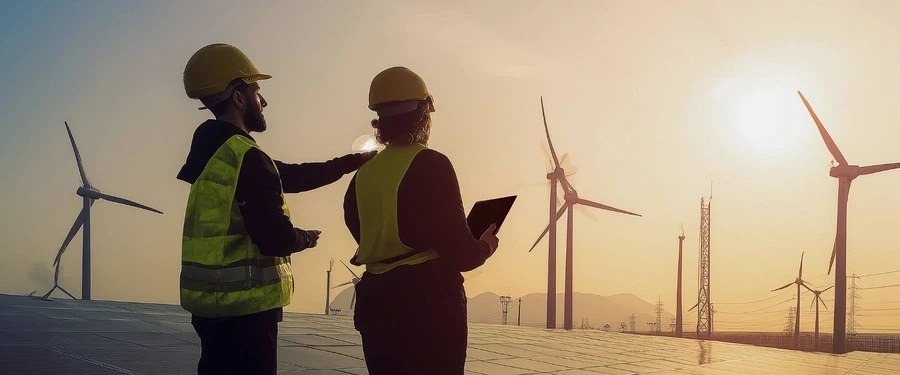
Aerial view of a large infrastructure construction site featuring cranes
Infrastructure

Critical Infrastructure: Building Performance and Reliability from the Ground Up

Tue 05/26/2026 - 15:38

Across the US, critical infrastructure is expanding fast: power grid upgrades, transmission lines, dams, data centers, battery storage, and large industrial projects tied to the energy transition. 

Critical infrastructure includes the systems that underpin daily life and the economy. When they fall short, the impact is immediate and wide-reaching. 

The challenge is not simply delivering critical infrastructure, it is ensuring these assets perform reliably under decades of operational stress, increasing demand, and tighter resilience expectations

background dark blue

Need some advice?

Leave your details and we will get in touch.

Contact an expert

Performance Under Pressure 

During a recent West Coast tour, SOCOTEC US CEO Nicolas DETCHEPARE pointed to the scale and diversity of current activity across critical infrastructure: 

“I was struck by the number of projects — from power plants and water infrastructure to the rapid expansion of data centers. These are not future opportunities; they are projects we are already delivering today, alongside major pursuits ahead, including large-scale dam rehabilitation, new transmission lines, and battery storage initiatives. The challenge is not only to build these assets quickly, but to ensure they remain reliable for decades to come. That is exactly the kind of challenge SOCOTEC is built for.” 

Nicolas DETCHEPARE, CEO SOCOTEC US

These projects are moving quickly, often under pressure to secure capacity, meet regulatory timelines, or respond to accelerating demand. But once operational, expectations shift. Assets are expected to perform reliably, adapt to changing conditions, and operate without interruption

Breaks in Continuity 

Performance gaps rarely come from a single failure.

They build over time: 

  • Incomplete understanding of ground conditions 
  • Design choices that do not translate in operation 
  • Execution drift during construction 
  • Systems that are technically compliant but not fully validated 

These issues are not unusual but they should be addressed early. In practice, they often persist because responsibility resets at each phase

A Lifecycle That Stays Linked

SOCOTEC’s model is built around maintaining technical continuity across the lifecycle of an asset — connecting subsurface conditions, design intent, construction quality, commissioning, and long-term operational performance:
  • Ground conditions, environmental constraints, and feasibility drive early risk.  
  • Getting this wrong tends to stay hidden until much later. 

  • This is where long-term performance is set. Design intent, constructability, and regulatory alignment need to hold under real conditions. 

  • Materials, sequencing, and coordination introduce small shifts that accumulate. 

  • Assets begin to age, loads increase, and operating conditions change.  
  • Performance needs active management. 

  • When issues surface, understanding root causes becomes critical to fix the problem and prevent repetition. 
  • This continuity is what determines whether infrastructure performs as intended over decades. 

background dark blue

Critical Infrastructure Case Studies

What This Looks Like in Practice 

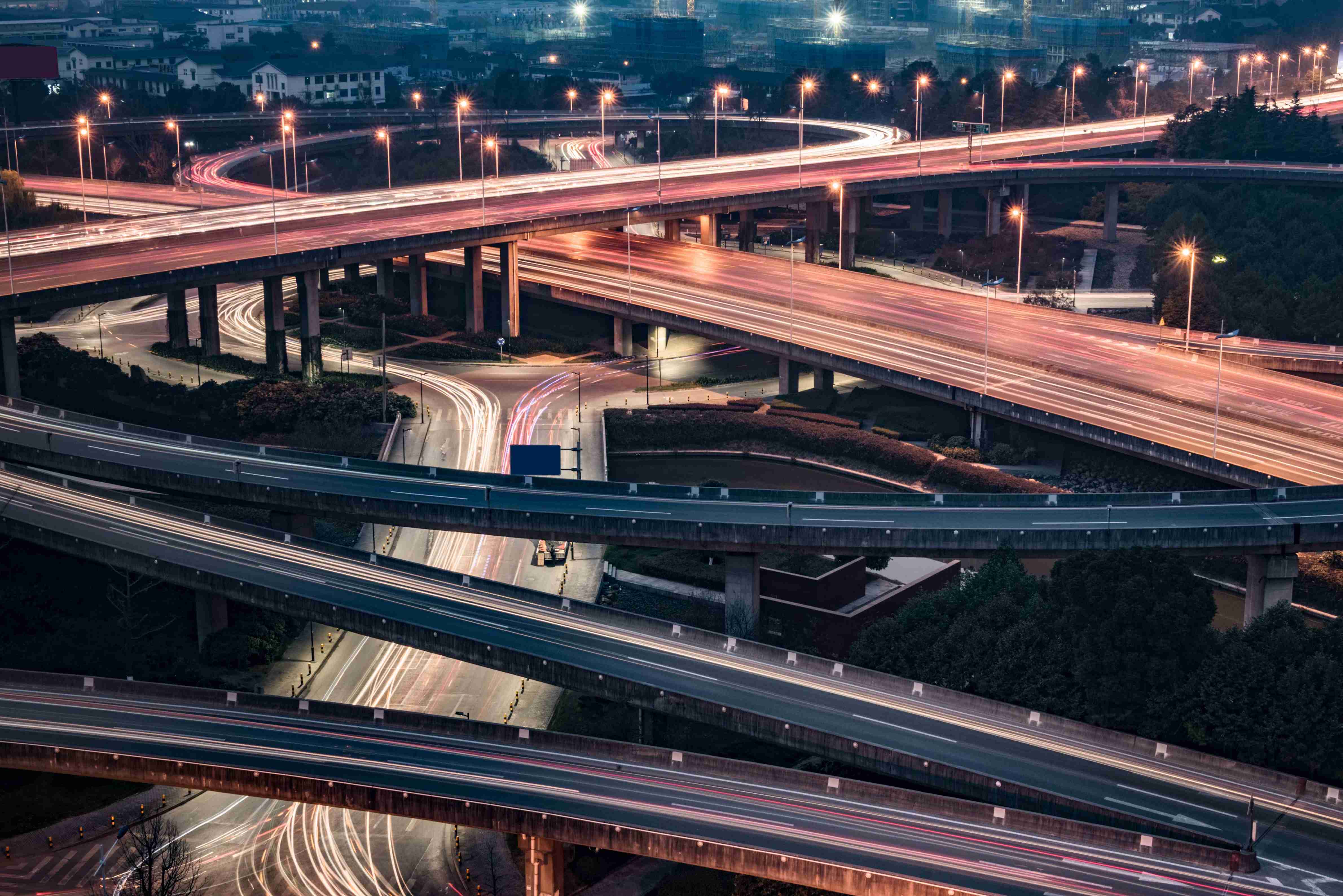
Large-Scale Highway Interchange at Night

Across sectors, the same pattern holds. The risk sits in how well decisions carry through the lifecycle. 

  • On Project Neon in Las Vegas, one of the largest transportation projects in Nevada, SOCOTEC supported geotechnical engineering and construction materials testing. Early understanding of subsurface conditions and consistent quality control during construction were key to delivering a corridor designed to handle long-term traffic demand and improve safety
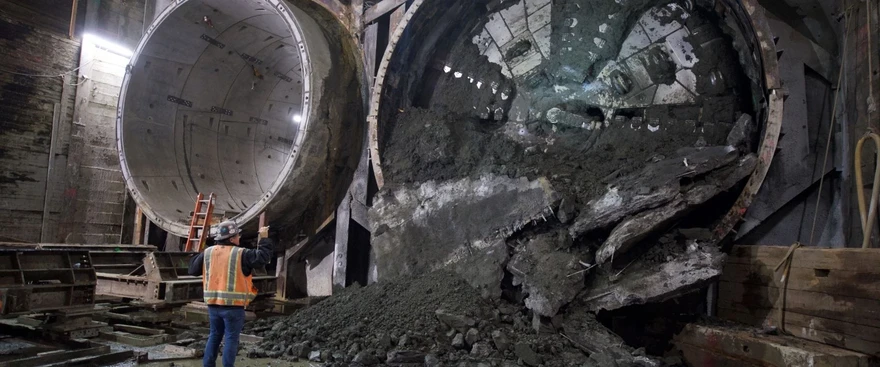
  • The Regional Connector in Los Angeles pushed these challenges further. Working underground in a dense urban environment required tight control over subsurface conditions, continuous monitoring, and strong coordination during construction. Without that continuity, small deviations in the ground or execution can quickly affect long-term performance. 
  • Airports bring a different type of pressure. At Miami International Airport, infrastructure improvements had to be delivered without interrupting operations. Technical decisions made during construction and commissioning have an immediate impact once the system is live, with little room for correction. 
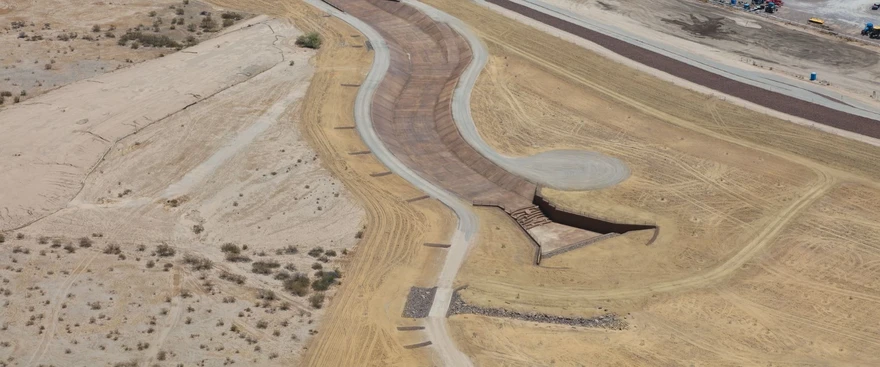
  • Water infrastructure introduces another layer of exposure. The White Tanks Flood Retarding Structure in Arizona was designed for flood control and long-term resilience. These assets are tested under extreme conditions rather than day-to-day usage. Performance depends on getting ground behavior, materials, and structural response right from the start
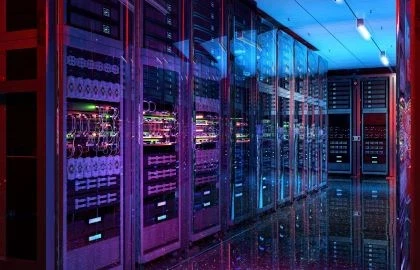
  • In data centers, the margin for error is minimal. These facilities are expected to operate continuously, with no tolerance for downtime. What we see in practice is that performance risks often come from coordination gaps between stakeholders, misaligned assumptions, or incomplete validation during delivery. When those gaps are addressed early, projects move faster and perform more reliably. 
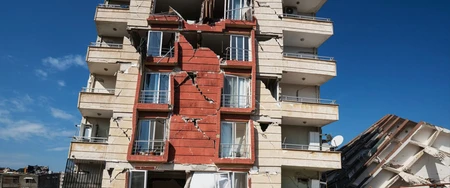
  • And when issues surface later, continuity still matters. In a mining infrastructure failure analysis, SOCOTEC investigated cracking in a ball mill gear, identifying fatigue-related mechanisms and helping the operator extend service life. The value comes from understanding the root cause and feeding that back into future decisions. 

Across sectors, the same pattern holds. The risk sits in how well decisions carry through the lifecycle. 

  • On Project Neon in Las Vegas, one of the largest transportation projects in Nevada, SOCOTEC supported geotechnical engineering and construction materials testing. Early understanding of subsurface conditions and consistent quality control during construction were key to delivering a corridor designed to handle long-term traffic demand and improve safety
  • The Regional Connector in Los Angeles pushed these challenges further. Working underground in a dense urban environment required tight control over subsurface conditions, continuous monitoring, and strong coordination during construction. Without that continuity, small deviations in the ground or execution can quickly affect long-term performance. 
  • Airports bring a different type of pressure. At Miami International Airport, infrastructure improvements had to be delivered without interrupting operations. Technical decisions made during construction and commissioning have an immediate impact once the system is live, with little room for correction. 
  • Water infrastructure introduces another layer of exposure. The White Tanks Flood Retarding Structure in Arizona was designed for flood control and long-term resilience. These assets are tested under extreme conditions rather than day-to-day usage. Performance depends on getting ground behavior, materials, and structural response right from the start
  • In data centers, the margin for error is minimal. These facilities are expected to operate continuously, with no tolerance for downtime. What we see in practice is that performance risks often come from coordination gaps between stakeholders, misaligned assumptions, or incomplete validation during delivery. When those gaps are addressed early, projects move faster and perform more reliably. 
  • And when issues surface later, continuity still matters. In a mining infrastructure failure analysis, SOCOTEC investigated cracking in a ball mill gear, identifying fatigue-related mechanisms and helping the operator extend service life. The value comes from understanding the root cause and feeding that back into future decisions. 

Continuity as a Design Condition 

As infrastructure systems become more exposed, performance depends less on any single phase and more on how decisions hold together over time. Most issues don’t come from isolated failures but emerge in the gaps between phases. 

This is where independent third-party expertise becomes critical. Infrastructure owners need technical partners capable of maintaining oversight across disciplines, validating assumptions as projects evolve, and identifying risks before they affect long-term operations. SOCOTEC combines national scale with highly specialized technical expertise including:

As a trusted third party, our role is not only to help deliver infrastructure, but to help ensure these assets perform reliably over decades of operation

Delivering Infrastructure That Lasts?

Iconic Projects

  • decorative yellow quote

    NDOT's Project Neon - Highway Expansion, NV

    Read +
  • decorative yellow quote

    LA Metro Regional Connector Tunnel Construction, CA

    Read +
  • decorative yellow quote

    Miami-Dade International Airport Project, FL

    Read +
  • decorative yellow quote

    White Tanks Flood Retarding Structure, AZ

    Read +
01/05
background dark blue

Need some advice?

Leave your details and we will get in touch.

Contact an expert
background dark blue

Get the latest updates about SOCOTEC, subscribe to our newsletter!